Sourcing Guide
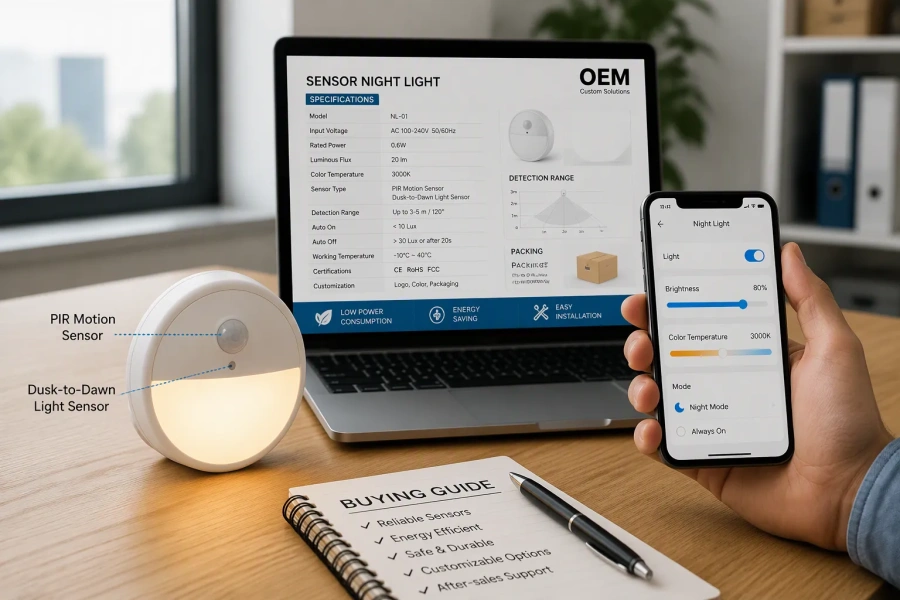
Sensor Night Light Manufacturer: PIR, Dusk-to-Dawn and OEM Buying Guide
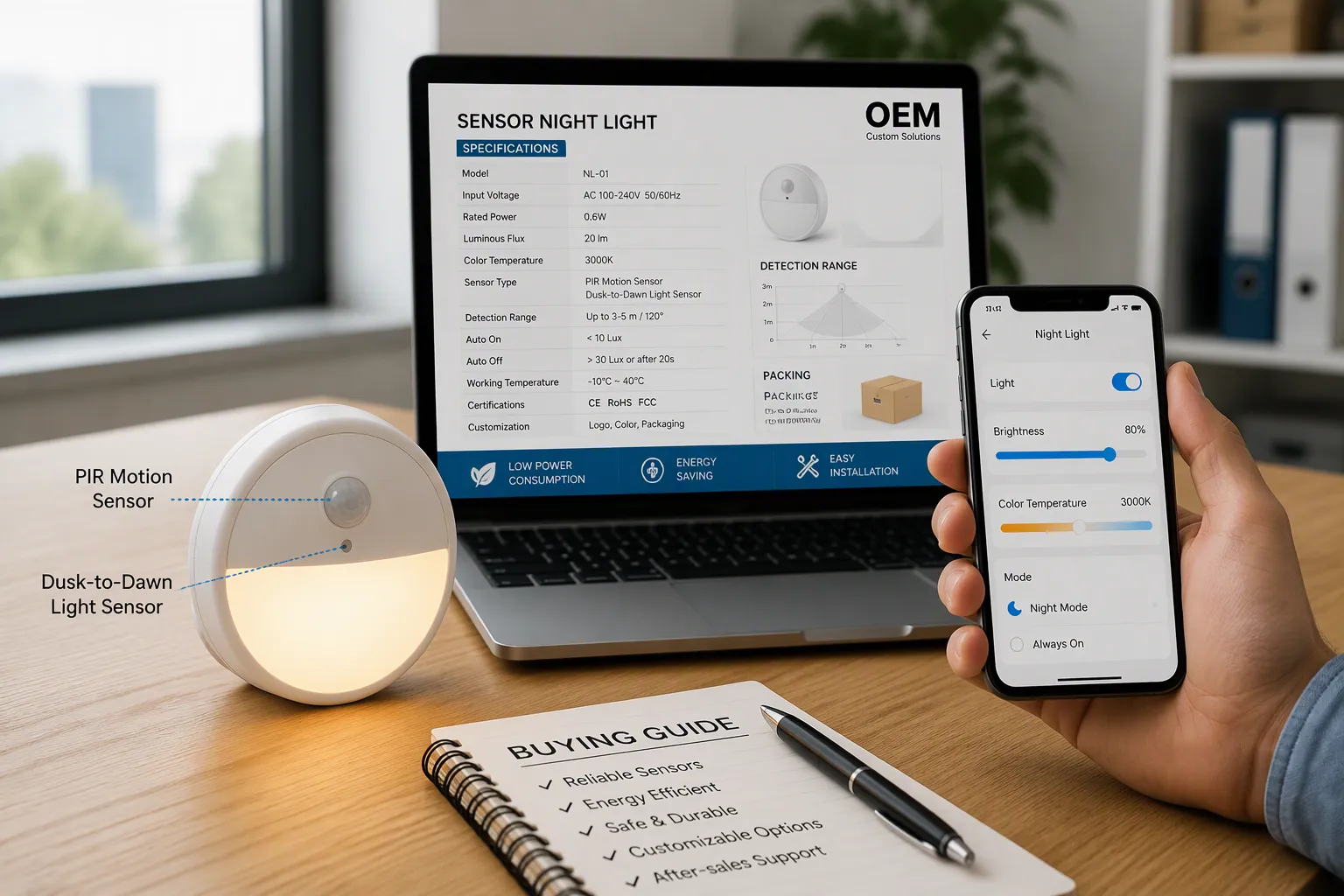
The best sensor night light for your business depends on your target market, buyer segment, and required certifications. There is no single "best" spec. PIR, dusk-to-dawn, and dual-sensor models each serve different use cases. Manufacturer fit matters just as much as product fit. A wrong sensor choice or missing certification can trigger returns, compliance failures, and lost retail accounts. That is why you need a sensor night light manufacturer who understands your market before you place a volume order.
Quick Answer: The right sensor night light for your market comes down to three choices. PIR suits rooms where people come and go, dusk-to-dawn suits spaces that need steady light all night, and a dual-sensor model suits entries that need both darkness and movement. Everything else, from lumens and color temperature to power source and certification, follows from that decision and from who your buyer is. Manufacturer fit matters as much as product fit: ask for model-level test reports rather than a company certificate, and confirm MOQ and lead time before you commit. Get those two things right and returns stay low.
Key Takeaways
- Pick the right sensor type for each room.
- Match specs like brightness and power to your buyer's needs.
- Certifications protect your product from recalls and fines.
- Test samples before you place a large order.
- Choose a manufacturer with strong quality checks and clear lead times.
In This Guide
- How PIR, photocell, and dual-sensor models differ
- Matching sensor type to each room
- Brightness, color temperature, and power options
- Certifications by target market
- What real buyers praise and complain about
- Budget, mid-market, premium, and specialty configurations
- Sourcing steps and risk mitigation
- How to score supplier answers
- When a Chinese factory is not the right choice
Core Sensor Technologies Explained
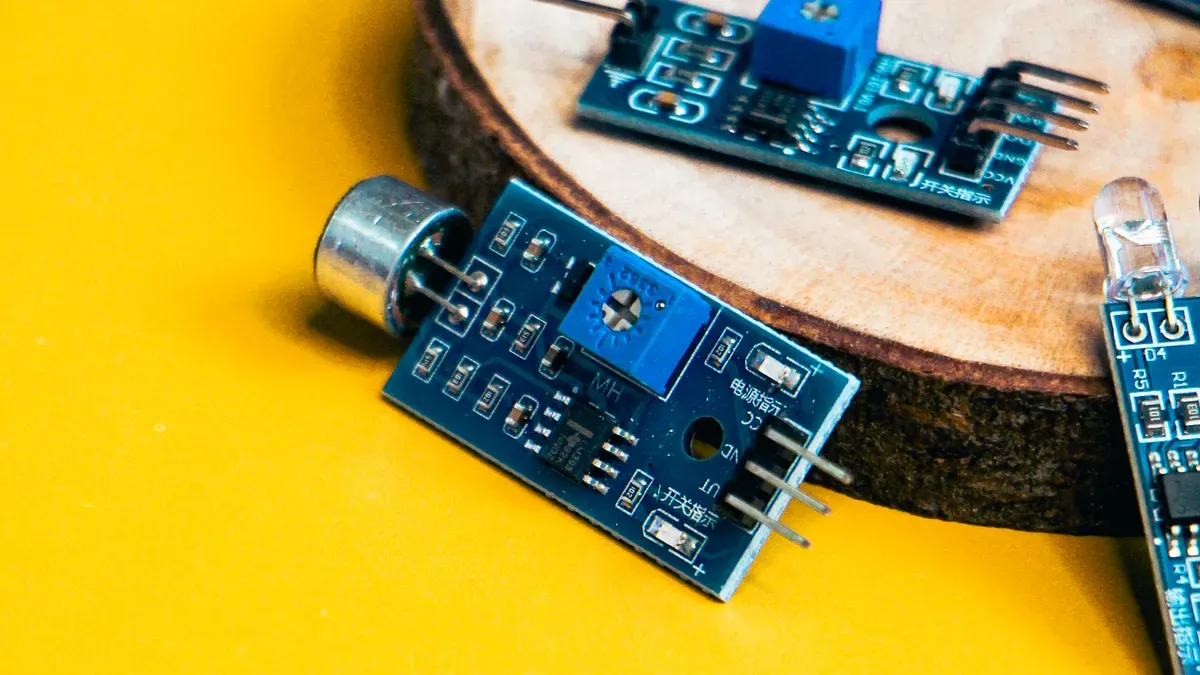
Your night light's sensor type decides where it works and how well it performs. Three main technologies dominate the market. Each one solves a different problem.
PIR Motion Sensing
PIR sensors detect body heat. A Fresnel lens splits the view into a mosaic of detection zones. The light only triggers when a heat source moves between these zones. This design ignores uniform heat changes like sunlight spreading or HVAC airflow.
The dual-element sensor amplifies this effect. Two elements have opposite polarity. Human movement creates a positive-negative voltage pulse. Uniform ambient heat affects both elements equally and produces no trigger. This mechanism cuts false alarms significantly.
Here are the typical specs you will encounter:
| Specification | Typical Value |
|---|---|
| Detection range | 10-12 m (residential) |
| Horizontal angle | 110-120° |
| Vertical angle | 70-80° |
| Mounting height | 6-10 ft |
You face a key trade-off with sensitivity. Higher sensitivity extends range. But it also increases false triggers from pets, ceiling fans, or HVAC airflow. Lower sensitivity reduces false alarms. But you might miss subtle movement. Start sensitivity at medium. Observe performance for a few days. Adjust up for missed detections or down for false triggers.
Dusk-to-Dawn Photocell Sensing
Photocell sensors measure ambient light. A light-dependent resistor changes resistance based on brightness. When light drops below a threshold (typically 10-15 lux), the light activates. When dawn arrives, the light shuts off.
These units are simple and reliable. They do not need motion. They work well for outdoor path lighting, security floodlights, and parking areas. You get consistent operation without false triggers from animals or wind.
Dual-Sensor and Smart Hybrid Models
Dual-sensor models combine both technologies. The photocell checks for darkness. The PIR sensor checks for motion. The light activates only when both conditions align: dark AND movement. This saves energy and extends bulb life.
Smart hybrid models go further. They add adjustable sensitivity, pulse count settings, and timing controls. Some include digital signal processing to filter small pets based on weaker IR signatures. You can set higher pulse counts to require sustained movement before triggering. This filters brief disturbances like swaying curtains or passing cars.
Matching Sensor Type to Application
You pick a sensor based on where the light will live and who will use it. A hallway needs different behavior than a garden path. Get this match wrong, and your customers will notice fast.
PIR works best for spaces where people come and go. Think stairwells, closets, bathrooms, and entryways. The light stays off until someone walks in. Then it clicks on and shuts off after a set delay. This saves power and keeps rooms dark when empty.
If you are mapping a full range rather than a single SKU, the same sensor logic applies across the LED night light catalogue. Dusk-to-dawn suits places that need steady light all night. Outdoor steps, driveways, and security zones fit here. The light turns on at sunset and off at sunrise. No motion needed. No surprises.
Dual-sensor models shine in spots that need both triggers. A garage entry or back porch works well. The light only fires when it is dark AND someone moves. This cuts energy waste and stops daytime false triggers.
Here is a quick guide to help you match sensor type to common applications:
| Application | Best Sensor Type | Why It Works |
|---|---|---|
| Hallway or stairwell | PIR | Triggers on movement, saves power |
| Outdoor path or driveway | Dusk-to-dawn | Runs all night, no motion needed |
| Garage or porch entry | Dual-sensor | Needs dark AND motion to activate |
| Bathroom or closet | PIR | Short bursts of light, low waste |
| Security floodlight | Dusk-to-dawn or dual | Consistent coverage or motion alert |
Ask yourself three questions. Where will the light go? How often do people pass by? Does the space need light all night or just sometimes? Your answers point to the right sensor. That match keeps returns low and customers happy.
Essential Product Attributes for Buyers
Brightness and Lumen Output
Lumen output decides how much light your customer actually gets. A dim night light works fine for a hallway. A bright one suits a stairwell or outdoor path. Most residential night lights range from 1 to 100 lumens. You will see three common tiers: 1-10 lumens for bedrooms, 10-50 lumens for hallways, and 50-100+ lumens for security or outdoor use. Match lumens to the application. Too dim, and customers complain. Too bright, and they return it.
Color Temperature and CRI
Color temperature sets the mood. Warm white (2700K-3000K) feels cozy and works well in bedrooms and nurseries. Cool white (4000K-5000K) feels crisp and suits garages or utility areas. Daylight (5000K-6500K) mimics natural light and fits outdoor security. CRI measures color accuracy on a 0-100 scale. A CRI of 80+ renders colors well. A CRI of 90+ approaches true color. For night lights, CRI matters less than temperature. Still, higher CRI improves how objects and skin tones look under the light.
Power Options: Battery, Plug-In, USB, Hardwired
Power source affects installation, cost, and customer convenience. Each option serves a different buyer.
| Power Option | Best For | Trade-Off |
|---|---|---|
| Battery | Renters, closets, no outlets | Ongoing battery cost |
| Plug-in | Hallways, bathrooms | Limited to outlet locations |
| USB | Desks, travel, modern homes | Needs USB port or adapter |
| Hardwired | New builds, outdoor, security | Requires electrician |
Battery models win for flexibility. Plug-in units offer steady power with zero maintenance. USB versions appeal to tech-savvy buyers. Hardwired options deliver the most reliable performance for permanent installs. Think about your buyer's space before you pick a power source. A renter will not hire an electrician. A homeowner building a new porch will not want batteries.
Certifications and Compliance
Certifications protect your business. They also protect your customers. You cannot sell a night light in major markets without the right marks. Each region has its own rules.
Here is what you need for each market:
- United States: UL or ETL certification is mandatory. Both are accepted. Average cost runs $2,000-$8,000. Timeline: 4-8 weeks.
- European Union: CE marking, RoHS, and REACH are mandatory.
- United Kingdom: UKCA marking and RoHS are mandatory.
Ask your manufacturer for test reports before you commit. A supplier who cannot show valid certificates puts your retail accounts at risk. Compliance failures lead to recalls, fines, and lost shelf space. Do not skip this step.
Attribute Comparison Table
You now know the key attributes. This table puts them side by side. Use it to compare supplier quotes and product specs at a glance.
| Attribute | Budget Tier | Mid-Market Tier | Premium Tier |
|---|---|---|---|
| Lumen output | 1-10 lm | 10-50 lm | 50-100+ lm |
| Color temperature | Fixed 3000K | 2700K-5000K | Tunable 2200K-6500K |
| CRI | 70-80 | 80-85 | 90+ |
| Power options | Battery only | Battery, plug-in, USB | All options plus hardwired |
| Sensor type | PIR only | PIR or dusk-to-dawn | Dual-sensor or smart hybrid |
| Certifications | UL or ETL | UL/ETL, CE, RoHS | Full global compliance |
| MOQ | 1,000-3,000 units | 500-1,000 units | 300-500 units |
| Customization | Logo only | Logo, packaging, color | Full OEM/ODM |
This table helps you spot gaps fast. A budget quote with premium specs should raise a red flag. A premium quote with budget certifications should do the same. Match the tier to your buyer segment. Then verify every claim with documentation.
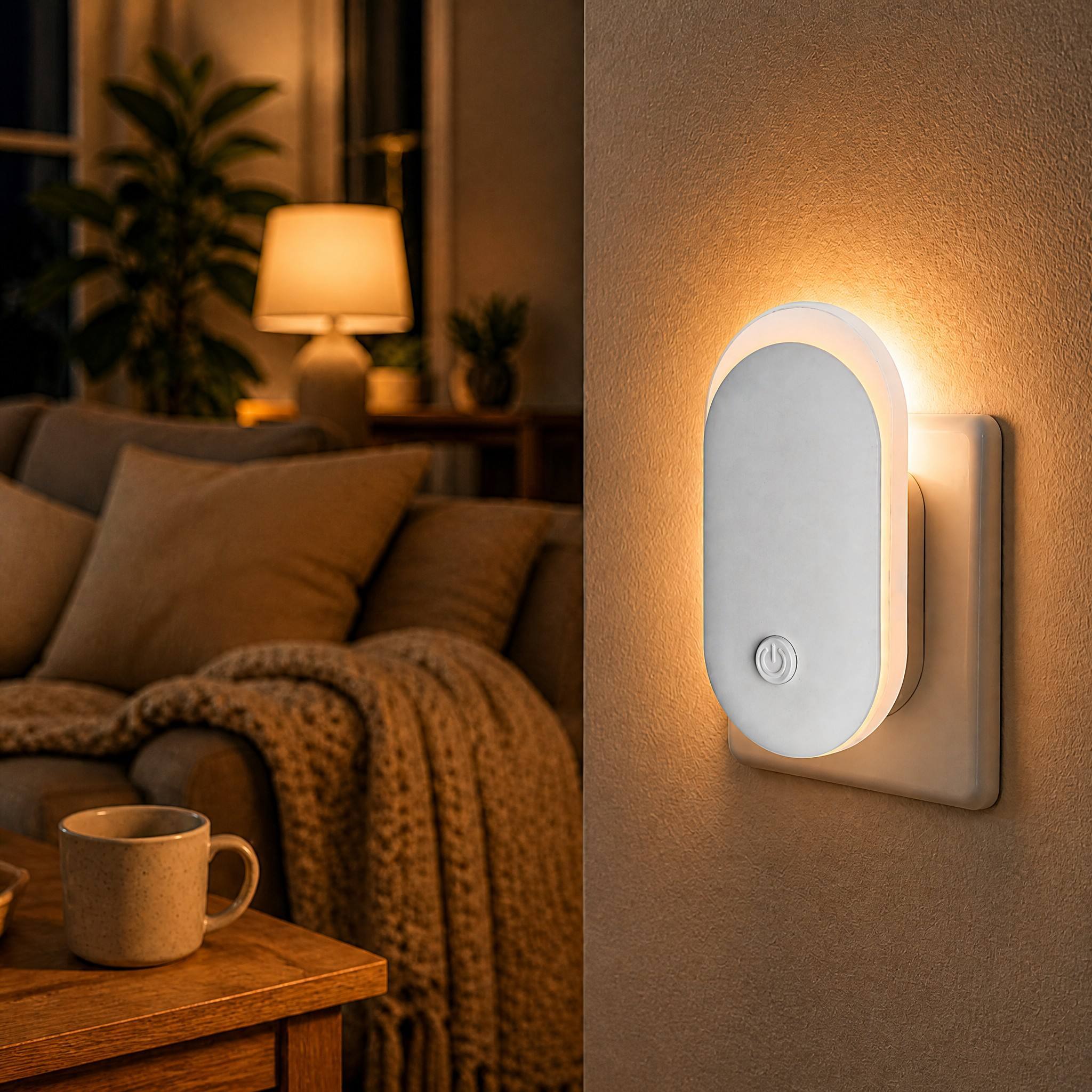
A96TB Dusk to Dawn Sensor Night Light (USB-A + Type-C)
- Dusk-to-dawn light sensor with 3 color temperatures: 3000K / 4000K / 6000K
- USB-A and Type-C charging ports, 5V 2A output
- 1W LED plug-in design for bedrooms and hallways
- CE and RoHS listed; OEM and ODM customization available
What Real Buyers Say
Insights from Retail Reviews
Retail reviews tell you what spec sheets cannot. You see how products actually perform in real homes. On Amazon and Walmart, buyers praise night lights that trigger fast and stay reliable. They love warm light in bedrooms and bright light in hallways. One common theme stands out: buyers want lights that work right out of the box. They do not want to fiddle with settings or read a manual. Reviews also show that motion detection range matters. A light that misses movement gets one star fast.
Forum and Community Feedback
Forums like Reddit and home improvement boards give you deeper feedback. Users there test products hard. They talk about false triggers from pets and ceiling fans. They share tips on sensitivity settings and placement. Many users prefer dual-sensor models for garages and porches. They say the dark AND motion combo cuts wasted light. Battery life comes up often too. A night light that dies in two weeks gets called out. Community members trust brands that publish clear specs and stand behind their claims.
Common Complaints and Return Drivers
Returns happen for predictable reasons. You can spot them before you order stock. Here are the top drivers:
- False triggers: Pets, fans, or HVAC airflow set off the light. This annoys buyers at night.
- Short battery life: Cheap batteries or poor power management drain fast.
- Weak motion detection: The light misses movement or triggers too late.
- Too bright or too dim: Wrong lumen output for the space.
- Missing certifications: Products fail inspection or get pulled from shelves.
A night light with great specs but poor real-world performance will still come back. Test samples in real conditions before you commit.
Listen to buyer feedback early. It saves you money on returns and protects your brand reputation.
Regulatory requirements are published, and it is worth reading the source rather than a summary. UL Solutions maintains the listings North American retailers ask for, and the IEC publishes the international standards many national schemes are built on. Canada, Australia, and Japan each add their own requirement. Canadian retailers generally accept cUL or cETL rather than a separate Canadian listing, so the US file often covers both markets. Australia expects SAA or RCM marking, and Japan expects PSE. Confirm the exact mark your buyer's compliance team accepts before you commit to tooling, because changing a certification after production starts costs far more than choosing the right one at the design stage.
Configuration Matrix by Buyer Segment

You cannot build one night light for every buyer. A dollar-store shopper wants a cheap light that works. A design-focused homeowner wants tunable color and a clean look. A property manager wants bulk units that survive years of abuse. Each group needs a different configuration. This matrix breaks down the three main tiers so you can match specs to your target buyer.
Budget and Value Tier
Your budget buyer cares about one thing: price. They want a night light that works and costs little. They shop at dollar stores, discount chains, and online marketplaces. They often buy on impulse. They rarely read the spec sheet.
For this tier, keep the design simple. A basic PIR sensor handles the job. You do not need dual-sensor logic or smart features. A fixed 3000K warm white LED works fine. Skip the tunable options. They add cost and confuse this buyer.
Lumen output should land between 1 and 10 lumens. That range covers bedrooms, hallways, and bathrooms. It gives enough light to see without waking anyone. Higher output drives up the LED cost and the power draw.
Power options stay narrow here. Battery models dominate this tier. They cost the least to make and ship. Plug-in versions work too, but they add a cord and a plug. That raises material cost. Stick with battery for the lowest price point.
Certifications still matter, even at this tier. You need UL or ETL for the US market. Do not skip this step to save money. A missing mark can pull your product from shelves. That kills your margin fast.
Here is a typical budget configuration:
| Attribute | Budget Spec |
|---|---|
| Sensor | Basic PIR |
| Lumen output | 1-10 lm |
| Color temperature | Fixed 3000K |
| CRI | 70-80 |
| Power | Battery only |
| Certifications | UL or ETL |
| MOQ | 1,000-3,000 units |
| Customization | Logo only |
Your margin at this tier is thin. You win on volume, not on price per unit. Keep the bill of materials lean. Cut features that do not affect basic function. Every extra part eats your profit.
Watch out for one trap. Some suppliers cut corners on the sensor to hit a low price. A cheap PIR module triggers late or misses movement. Buyers notice. They leave one-star reviews. That hurts your listing rank. Always test the sensor before you commit to a large order.
Mid-Market Tier
Your mid-market buyer wants more than the basics. They care about quality, looks, and features. They shop at big-box stores and major online retailers. They read reviews before they buy. They will pay more for a product that feels solid.
This tier opens up your sensor options. You can offer PIR or dusk-to-dawn models. You can also add a dual-sensor version for outdoor and entryway use. Each sensor type serves a different room. Give your buyer choices.
Lumen output climbs to 10-50 lumens. That range covers hallways, stairwells, and covered porches. It gives bright, useful light without glare. You can also offer a dimming feature. A low-high switch adds value at low cost.
Color temperature becomes a selling point here. Offer 2700K to 5000K options. Warm white suits bedrooms and living rooms. Cool white suits garages and utility spaces. Let the buyer pick. This small choice boosts satisfaction and cuts returns.
Power options expand too. You can offer battery, plug-in, and USB models. Each one targets a different use case. A renter wants battery or plug-in. A desk user wants USB. A homeowner wants a mix. Cover all three and you capture more of the market.
Certifications must cover more ground. Add CE and RoHS for the European Union. Add UKCA for the United Kingdom. These marks open new markets. They also signal quality to your buyer. The cost is worth it at this tier.
Here is a typical mid-market configuration:
| Attribute | Mid-Market Spec |
|---|---|
| Sensor | PIR or dusk-to-dawn |
| Lumen output | 10-50 lm |
| Color temperature | 2700K-5000K |
| CRI | 80-85 |
| Power | Battery, plug-in, USB |
| Certifications | UL/ETL, CE, RoHS |
| MOQ | 500-1,000 units |
| Customization | Logo, packaging, color |
Customization grows at this tier. Buyers want their brand on the box. They want a color that matches their store aisle. They want packaging that stands out on a shelf. Offer these options. They set you apart from budget suppliers.
Quality control becomes critical here. A mid-market buyer expects consistency. One bad batch can cost you a retail account. Set up a testing protocol. Check sensor range, lumen output, and battery life on every run. Document the results. Share them with your buyer.
Premium Tier
Your premium buyer wants the best. They care about performance, design, and brand story. They shop at specialty stores, high-end retailers, and direct-to-consumer channels. They pay top dollar for a product that delivers.
This tier demands advanced sensor technology. Offer dual-sensor and smart hybrid models. Add adjustable sensitivity and pulse count settings. Add digital signal processing to filter pets. These features solve real problems. They justify the higher price.
Lumen output reaches 50-100+ lumens. That range covers security lights, outdoor paths, and large rooms. You can also offer tunable white light. A 2200K to 6500K range lets the buyer set the mood. Warm for evening. Cool for tasks. This flexibility is a premium feature.
CRI jumps to 90 or higher. Colors look true and natural under this light. Skin tones look right. Artwork and decor look their best. This detail matters to design-focused buyers. It also supports a higher price point.
Power options cover everything. Battery, plug-in, USB, and hardwired. Hardwired models suit new builds and permanent installs. They deliver the most reliable performance. They also command the highest price.
Certifications must be global. You need UL or ETL for the US. You need CE, RoHS, and REACH for the EU. You need UKCA for the UK. You may also need other marks for specific markets. Full compliance protects your brand and your retail partners.
Here is a typical premium configuration:
| Attribute | Premium Spec |
|---|---|
| Sensor | Dual-sensor or smart hybrid |
| Lumen output | 50-100+ lm |
| Color temperature | Tunable 2200K-6500K |
| CRI | 90+ |
| Power | All options plus hardwired |
| Certifications | Full global compliance |
| MOQ | 300-500 units |
| Customization | Full OEM/ODM |
Customization is the norm at this tier. Buyers want full OEM or ODM service. They want their own design, their own firmware, their own packaging. They want a product that no one else sells. This is where a strong manufacturer partnership pays off.
Quality control must be airtight. Premium buyers do not tolerate defects. Set up a full inspection process. Test every unit or use AQL sampling. Check sensor accuracy, color consistency, and finish quality. Ship only units that pass. One recall can destroy a premium brand.
At the premium tier, your reputation is your product. A single defect can undo years of brand building. Invest in testing and traceability before you scale.
Think about your buyer before you pick a tier. A budget buyer will not pay for tunable color. A premium buyer will not accept a basic PIR sensor. Match the configuration to the segment. Then build your supply chain around that choice. This focus keeps your costs down and your customers happy.
Niche and Specialty Tier
Some buyers do not fit the budget, mid-market, or premium boxes. They need a night light built for one specific job. A generic product will not work for them. These buyers often pay more per unit. They also stay loyal once you earn their trust. This tier rewards focus over volume.
Think about who lands here. A pediatric brand wants a light that helps babies sleep without disrupting melatonin. A senior care facility wants a light that prevents falls during nighttime bathroom trips. A hotel chain wants a light that guides guests without waking their partner. A pet owner wants a light that ignores the dog but triggers on a person. A smart-home company wants a light that talks to an app. Each group has a problem that a standard night light cannot solve.
The specs shift in this tier. You stop optimizing for price or general appeal. You start optimizing for one outcome. That outcome drives every design choice.
Take the senior care market. Falls at night are a serious risk. A bright overhead light wakes the resident and hurts their eyes. A dim amber light at floor level solves this. It lights the path without triggering the wake-up response. The sensor must catch slow movement. Many seniors move carefully and quietly. A standard PIR sensor might miss them. You need a wider detection angle and a longer hold time. The light should stay on long enough for a safe trip to the bathroom and back.
The pediatric market works the other way. Parents want a light that soothes a child and helps them fall back asleep. Blue light suppresses melatonin. So you shift the spectrum toward amber or deep red. Some brands use 1800K or lower. The sensor should be sensitive enough to catch a child sitting up in bed. It should also stay dim. A sudden bright light can startle a toddler awake. Soft ramping matters here. The light fades in over a second or two instead of snapping on.
Pet-friendly designs solve a common complaint. Standard PIR sensors trigger on pets. A cat walking through a hallway sets off the light all night. Buyers hate this. You can fix it with pet-immune logic. The sensor ignores heat sources below a certain height or size. Some models use dual-element detection with a lower mounting angle. Others use pulse count settings that require sustained human movement. A pet moving quickly produces a short pulse. A person walking produces a longer one. The sensor filters out the short pulse. This feature sells well to pet owners. It also works for the senior market, where a small dog might roam at night.
Hospitality buyers have their own needs. A hotel night light must be tamper-resistant. Guests should not be able to change settings or remove the unit. It must also run on very low power. Hotels leave these lights plugged in for years. A unit that draws too much power adds up across hundreds of rooms. The sensor should trigger on a guest stepping out of bed. It should shut off after a short delay. The light should not bleed into the hallway or disturb a sleeping partner. Directional shades and low lumen output handle this.
Smart-home integration is its own specialty. These buyers want the night light to connect to a hub. They want app control, scheduling, and voice commands. The sensor becomes part of a larger system. A PIR trigger can send a signal to other devices. It can turn on hallway lights or send an alert to a phone. This tier needs firmware development and wireless modules. You need a manufacturer with software skills, not just hardware. The certification path also grows. You add FCC for wireless in the US. You add RED for radio equipment in the EU. These tests cost more and take longer.
Here is a typical specialty configuration. Notice how the specs bend toward one use case:
| Attribute | Specialty Spec |
|---|---|
| Sensor | Tuned PIR, pet-immune, or smart hybrid |
| Lumen output | 1-30 lm, often amber or red |
| Color temperature | 1800K-2700K, or fixed amber |
| CRI | 80+ (less critical than spectrum) |
| Power | Battery, plug-in, or USB |
| Certifications | UL/ETL plus FCC or RED for smart models |
| MOQ | 300-1,000 units |
| Customization | Full OEM/ODM with firmware options |
Your margin at this tier can be strong. Buyers pay for a solved problem. A parent will pay $30 for a light that helps their baby sleep. A care facility will pay more for a light that prevents falls. The key is proving the benefit. You need test data, user trials, and clear claims. Vague marketing will not close these buyers. They want evidence.
Specialty buyers ask harder questions than mass-market buyers. They want to know why your sensor catches slow movement or how your spectrum avoids melatonin suppression. Prepare real answers before you pitch.
Watch for one trap. Do not spread yourself too thin. A light for babies, seniors, pets, and smart homes is four different products. Pick one niche and own it. Build the sensor tuning, the firmware, and the packaging around that single use case. Then expand once you win. Focus beats variety in this tier.
Your manufacturer must support this focus. Ask about custom firmware, sensor tuning, and small-batch testing. A supplier who only does standard models will not serve you here. You need a partner who can adjust detection angles, hold times, and light spectrums. That flexibility is the whole game at the specialty tier.
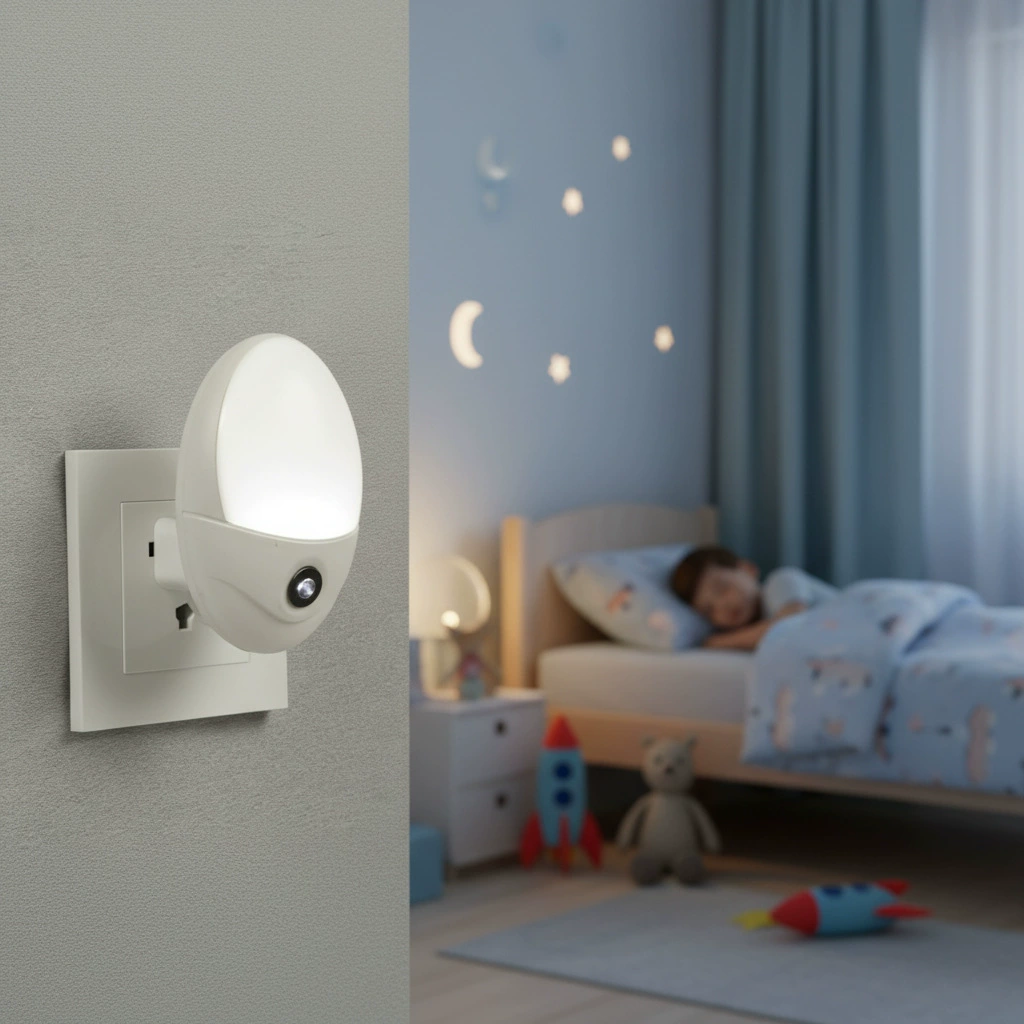
A58 Dusk to Dawn Sensor Plug-in LED Night Light
- Light sensor switches the lamp on at dusk and off at dawn
- AC 110-240V input with a 4 LED design
- Warm white and cool white versions available
- Suited to bedrooms, hallways, and stairwells
Sourcing Steps and Risk Mitigation
Step-by-Step Sourcing Process
A clean sourcing process protects your money and your timeline. Follow these steps to vet any sensor night light manufacturer before you commit.
- Send the same controlled request package to all shortlisted suppliers.
- Compare technical responses and document any deviations.
- Verify company registration, QMS, and product-level evidence.
- Evaluate a representative sample against a written checklist.
- Finalize specifications, packaging, and approval records.
- Place a controlled pilot or initial production order.
- Inspect results and close out corrective actions.
- Approve the supplier only for a defined product and scope, not indefinitely.
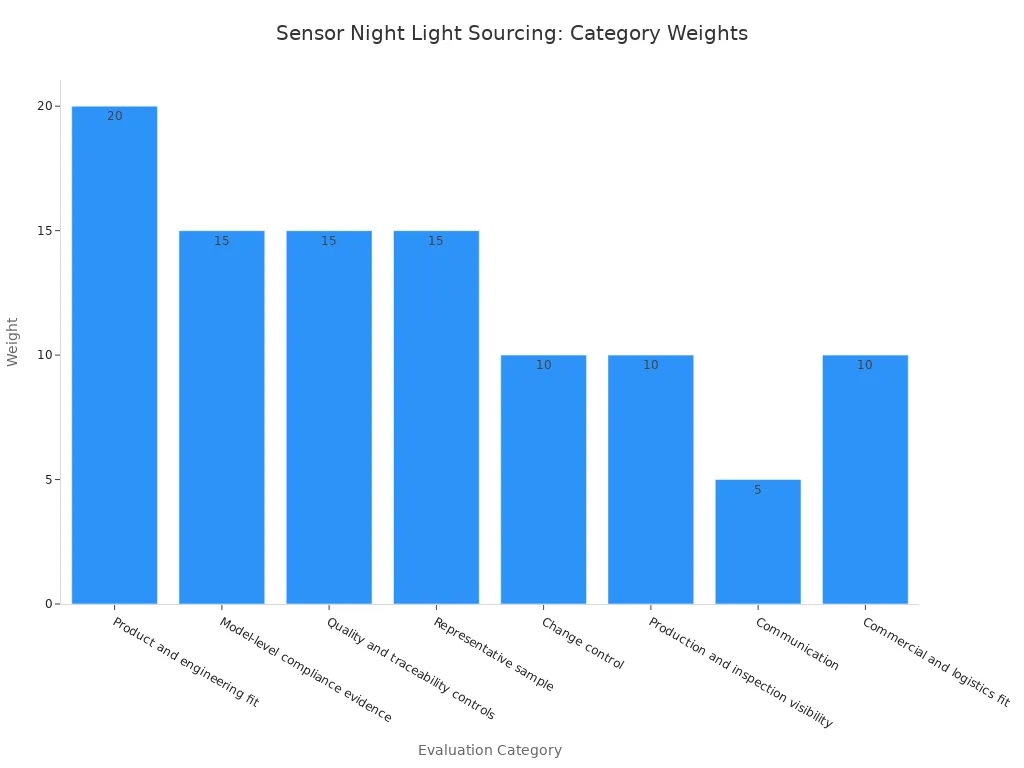
Score each supplier against clear categories. This table shows what matters most.
| Evaluation category | Weight | Evidence that earns the score |
|---|---|---|
| Product and engineering fit | 20 | Controlled model, drawings, configuration, and deviations |
| Model-level compliance evidence | 15 | Evidence tied to the legal entity, market, and exact configuration |
| Quality and traceability controls | 15 | Usable inspection, measurement, nonconformance, and traceability records |
| Representative sample | 15 | Identified sample passes a written, risk-based review |
| Change control | 10 | Defined notification, approval, and retest decisions |
| Production and inspection visibility | 10 | Clear process ownership, inspection points, and lot acceptance |
| Communication | 5 | Consistent records of answers, assumptions, revisions, and dates |
| Commercial and logistics fit | 10 | Aligned scope, inclusions, packaging, terms, and pilot plan |
Common Sourcing Risks
Sourcing goes wrong in predictable ways. You can spot these risks early and avoid them.
Weak compliance evidence tops the list. A supplier shows a certificate, but it does not match your exact model or market. That gap can pull your product from shelves.
Quality drift is another risk. A good sample does not guarantee a good production run. Without process controls, defects creep in.
Poor change control hurts too. A supplier swaps a component without telling you. The sensor range drops. The color shifts. Your customers notice.
Mitigation Strategies
You can block most risks with clear agreements and testing. Agree on inspection timing before shipment. Define the sampling method. Set acceptance criteria in advance. Specify the documents to be provided. Clarify how failed inspections will be contained and corrected. Confirm that inspection verifies the finished lot against defined requirements, while process control remains the primary quality mechanism.
Look for a supplier with real systems in place. ISO9001 certification shows a working quality management system. Three full-process checks (IQC, IPQC, and FQC) catch problems at each stage. Aging tests run 24-48 hours on all products. Voltage-withstanding insulation tests run at 1500V-2000V for one minute. A strong factory keeps its defective rate below 0.2% and backs its work with a one-year warranty.
A supplier who resists inspection or hides test data has already answered your question. Do not place a volume order with them.
How to Select the Right Sensor Night Light Manufacturer
Picking a sensor night light manufacturer is the most important decision you make in this process. The right partner saves you time, money, and headaches. The wrong one costs you returns, refunds, and retail relationships. You need to evaluate three core areas before you sign any agreement.
Certification and Testing Capabilities
Certifications are not optional. They are the price of entry for every major market. A sensor night light manufacturer who cannot show valid test reports for your target region will cost you more than they save. You cannot skip this step.
Start by asking for model-level compliance evidence. A general company certificate is not enough. You need proof tied to the exact product configuration you plan to buy. That means test reports from an accredited lab, not a photocopy of an old certificate.
For the US market, ask for UL or ETL reports. These marks tell retailers and regulators that your product meets safety standards. For Europe, you need CE, RoHS, and REACH. For the UK, you need UKCA marking. Each market has its own rules. Your manufacturer should know them.
Look for a factory with its own testing equipment. A strong manufacturer runs internal checks at every stage. They test incoming parts (IQC). They test during production (IPQC). They test finished units before shipment (FQC). They run aging tests for 24 to 48 hours on every model. They perform voltage-withstanding insulation tests at 1500V to 2000V. These checks catch problems before they reach your customer.
Here is what you should ask for during vetting:
- A copy of the UL or ETL report for the specific model
- CE declaration of conformity and test reports
- RoHS and REACH compliance documentation
- Records of IQC, IPQC, and FQC inspections
- Aging test results for the product model
- Voltage-withstanding test results
If a supplier hesitates to share these documents, move on. A legitimate manufacturer keeps these records ready. They know every serious buyer will ask.
Your certification check does not end at the factory door. Regulations change. Standards update. A manufacturer should notify you when a certification needs renewal. Build this into your agreement. A product that loses compliance halfway through a production run creates expensive problems.
MOQ and Pricing Flexibility
Minimum order quantities (MOQs) shape your cash flow and risk level. A high MOQ ties up your capital in inventory. A low MOQ lets you test the market first. You need a manufacturer whose MOQ matches your sales plan, not their production comfort zone.
Most sensor night light manufacturers offer tiered MOQs based on product complexity. A basic PIR night light with a battery power source requires a higher MOQ, often 1000 to 3000 units. The tooling is simple. The assembly is fast. The manufacturer needs volume to make money.
A premium dual-sensor model with wireless controls requires a lower MOQ, often 300 to 500 units. The components cost more. The assembly takes longer. The manufacturer accepts lower volume because the unit price is higher.
Pricing follows the same logic. More features mean higher cost per unit. But the relationship between MOQ and price is not always linear. Some manufacturers offer price breaks at 500 units, then again at 1000 and 5000. You want a clear price schedule, not a single quote. Ask for pricing at three or four volume levels. This tells you how the manufacturer values your future growth.
Watch for hidden costs. Tooling fees, mold charges, and setup costs can double your first order total. Some manufacturers bury these in the unit price. Others list them separately. Ask for a full breakdown before you negotiate.
Here is what a clean MOQ and pricing table looks like:
| Volume Level | Unit Price (Basic PIR) | Unit Price (Dual-Sensor) |
|---|---|---|
| 300 units | N/A | $8.50 |
| 500 units | $3.20 | $6.80 |
| 1000 units | $2.90 | $5.40 |
| 3000 units | $2.50 | $4.90 |
A manufacturer who cannot provide a tiered price table likely has thin margins or poor cost controls. Either way, you carry the risk.
Customization and OEM/ODM Services
Decorative housing styles behave the same way on the line, and something like the GL-082CT crystal night light shows how a housing change alters tooling and testing. Customization separates commodity suppliers from real partners. A basic logo stamp is easy. Full OEM or ODM service requires engineering, tooling, and testing. You need to know where your manufacturer falls on this scale before you discuss product design.
Start with the three customization levels. OEM, or original equipment manufacturing, means you provide the design and the manufacturer builds it. You own the specs. You control the changes. The manufacturer provides the production line and quality control. This works well when you have an in-house design team or a clear product vision.
ODM, or original design manufacturing, means the manufacturer offers you their existing designs with your branding. They own the core specs. You choose from a catalog of options. You can request changes to color, packaging, and a few features. This works when you want to move fast without a large engineering investment.
Full customization sits between these two. You start with a manufacturer's base design. Then you modify the sensor tuning, the light spectrum, the housing material, or the power source. You pay for the engineering changes. You get a product that fits your market without building everything from scratch.
Ask these questions before you choose a level:
- Does the manufacturer have an in-house engineering team?
- What is the minimum order for a custom sensor tuning?
- How many design revisions are included in the price?
- What is the typical timeline for a full ODM project?
- Can they modify the firmware for smart or dual-sensor models?
- Do they offer custom packaging design services?
A capable sensor night light manufacturer answers these questions with specifics, not general promises. They show you past projects. They introduce you to their engineers. They give you a timeline with milestones.
Customization also affects your lead time. A standard product ships in 30 to 45 days. A full OEM project takes 60 to 90 days from design approval to first shipment. Plan your inventory and launch calendar around these timelines.
One more consideration. Customization creates exclusivity. A product built for your brand cannot be sold to a competitor by the same factory. Some manufacturers offer this automatically. Others charge a premium. Ask about exclusivity terms before you share your design files. Protect your intellectual property with a clear agreement.
A manufacturer who pushes you toward their standard catalog may lack the engineering depth for customization. If you need a unique product, find a partner who treats custom work as a core service, not a special favor.
Quality Control and Lead Times
Quality control separates a reliable sensor night light manufacturer from a risky one. You cannot judge quality from a single sample. You need to see how the factory catches problems across the whole production run. Ask about their inspection stages. A strong factory runs three checks: incoming quality control (IQC), in-process quality control (IPQC), and final quality control (FQC). Each stage catches different defects. IQC checks raw parts before assembly. IPQC watches the line during production. FQC tests finished units before they ship. If a supplier only mentions one stage, their process has gaps.
Ask about aging tests too. A good factory runs every unit for 24 to 48 hours before packing. This catches early failures that a quick bench test would miss. Voltage-withstanding tests matter as well. These run at 1500V to 2000V for one minute. They confirm the insulation holds up. A unit that fails this test can shock a customer. That risk ends your retail account fast.
Defect rate is the number you want in writing. A reputable factory typically keeps its defect rate below 1%. Some sources cite a stricter benchmark of 0.2% for well-run lines. The source data does not break defect rates down by sourcing region. It only gives this general benchmark. So do not trust a claim that one country always beats another. Judge the factory, not the flag. Ask for defect data from the last six months. Ask how they track returns and warranty claims. A supplier who cannot share these numbers is hiding something.
The same rule applies to third-party inspection: if the factory finds reasons to avoid it, treat that as a finding.
Lead times depend on how much you customize. A standard order moves fast. A custom order takes longer because tooling and mold work add time. Here is what you can expect:
| Order Type | Typical Lead Time |
|---|---|
| ODM stock item (standard) | 20-30 days |
| ODM with custom logo (standard) | 30-40 days |
| OEM with existing mold (customized) | 35-50 days |
| OEM with new mold (customized) | 60-90 days |
Standard lead time for plug-in LED night lights runs 25 to 45 days after deposit. Custom OEM orders take longer. Tooling and mold creation add 15 to 30 days on top. Plan for Chinese New Year as well. The holiday can add two to four weeks to any timeline. Factories shut down. Workers travel home. Shipping slows to a crawl. If your order lands near the holiday, build that delay into your launch plan.
You should also track production milestones. Ask for photos at each stage. Request a pre-shipment inspection before the goods leave the factory. This step catches problems while you still have leverage. Once the container ships, fixing a defect costs far more. A good sensor night light manufacturer welcomes these checks. They know that clear quality control and honest lead times build long-term business. A supplier who dodges your questions on either topic will cost you money down the road.
No single configuration fits every market. Sensor type, brightness, power, and certification must match your buyer segment. Define your market first. Then match the sensor and attributes. Validate with real buyer feedback. Finally, vet your sensor night light manufacturer on certifications, MOQ, and customization. Always request samples and audit documentation before you commit to a volume order. That path keeps returns low and retail accounts safe.
How to Score the Answers
A supplier scorecard only works if you score every candidate the same way. Use three ratings, and be strict about the middle one. Rate an answer clear and specific when it contains numbers, a named process, or a document you can review. Rate it vague when it describes a capability without evidence. Rate it unanswered when the supplier deflects or repeats your question back to you.
Then look at the pattern, not the total. A manufacturer with eight specific answers and two gaps is worth a second conversation. A manufacturer with eight vague answers is not, however polished the reply sounds. Keep the scored sheets. They are the fastest way to explain to your own team why you picked one factory over another, and they make the next round of supplier reviews much shorter.
When a Chinese Factory Is Not the Right Choice
This guide assumes you want a manufacturing partner in China, so it is worth naming the cases where that is the wrong call.
If your order is a few hundred units of a standard fitting, the certification, freight, and communication overhead can outweigh the unit-price saving. If your product carries an unusual regulatory requirement that only a domestic lab can test quickly, the timeline may decide the question for you. If your retail program needs stock on the shelf in three weeks, the shipping lane rules it out regardless of price. And if a customer contract sets a domestic-content requirement, that requirement comes first.
None of this argues against Chinese manufacturing. It argues for writing your constraints down before you start, so that you choose this route for the right reasons rather than by default.
Ready to Source Quality LED Night Lights?
Contact Guangli today for a free quote and sample!
0users like this.