Sourcing Guide

Night Light Supplier for Retail Chains: Compliance, Packaging, QC & Replenishment

A great night light supplier for retail chains must nail four things: compliance, packaging, QC, and replenishment. Judge every candidate on these four areas. It's the fastest way to cut risk, dodge recalls and stockouts, and protect your margins. Each area also comes with specific checkpoints you can verify before you sign a supply agreement.
Key Takeaways
- Always verify safety certificates and test reports before you order night lights.
- Choose packaging that is ready for the retail shelf and protects the product during shipping.
- Audit your supplier's quality control system to ensure consistent product quality.
- Plan your replenishment carefully to avoid stockouts and keep shelves stocked.
- Use the four pillars—compliance, packaging, QC, and replenishment—to select a reliable supplier.
Compliance Comes First for Every Night Light Supplier for Retail Chains

Compliance is the first filter you should apply to any night light supplier for retail chains. A product that fails a safety standard or misses a required mark does not just sit in a warehouse. It can trigger a recall, a fine, or a full delisting. You want to confirm every certificate and every label before you commit to volume. Here is what to check.
Safety Standards and Certifications
Start with the electrical safety marks. In the United States, look for ETL or UL listing on the product and the packaging. For Canada, you need cUL. These marks are not decorative. They show that an accredited lab tested the night light against the relevant standard for its construction and use.
Ask your supplier for the actual certificate, not just a logo on a spec sheet. Check the certificate holder name, the model numbers covered, and the expiration date. A certificate that lists a different factory or an older model tells you nothing about the units you are buying.
You should also confirm the testing lab is recognized in your target market. A report from an unknown lab may not hold up with a retailer's compliance team. Request the full test report and review the tested parameters. Pay attention to the input voltage, the plug type, and the LED driver. Small mismatches here point to bigger problems later.
Labeling and Packaging Artwork Requirements
Artwork errors cause more launch delays than almost anything else. A barcode that will not scan gets the whole shipment rejected at the warehouse. A missing certification mark forces a reprint. You want to lock down every element before the printer starts.
The table below shows the main requirement areas and what your supplier must provide for each one.
| Requirement Area | What Suppliers Must Provide |
|---|---|
| Checkout scanning | Accurate barcode and labeling so items scan correctly; errors cause warehouse rejection |
| Outer carton | SKU, quantity, country of origin, and shipping marks |
| Retail packaging | Brand artwork, barcodes, and compliance marks in full color |
| Certification marks | Verifiable marks such as ETL/UL (US), cUL (Canada), CE/RoHS/REACH (EU), FCC (electronics) |
| California warning | Prop 65 warning when applicable |
Market-specific rules add another layer. For the Canadian market, retail packaging and warnings must carry both English and French. Build this bilingual requirement into the artwork from the outset. Adding French text after printing forces a reprint and delays your launch.
California enforces its own warning rules for any product sold into the state. If a night light contains a listed chemical above the safe harbor threshold, a clear Prop 65 warning must appear on the package. Get material declarations early to determine whether the warning applies before you commit to a print run. Adding it afterward means another reprint.
Material choices belong in the same conversation. Specify recyclable paperboard for retail boxes and master cartons. Cut or eliminate plastic blister packs where the channel allows it. Ask for material declarations on plastics, coatings, and inks. Confirm RoHS and REACH compliance for the EU market. Keep packaging volume tight to reduce freight emissions and cost.
Energy Efficiency and Regulatory Limits
Night lights draw very little power, but they still fall under efficiency and safety rules in many markets. The United States regulates certain lighting products through DOE efficiency rules and the FTC's lamp labeling requirements. The EU applies its own ecodesign and energy labeling framework. Your supplier should know which rules apply to the specific product you are buying.
Ask for the measured power consumption and the standby draw if the unit has a sensor or smart feature. Compare these numbers against the limits for your market. A supplier who cannot produce this data is guessing, and guessing is not a compliance strategy.
You should also confirm how the supplier tracks regulatory changes. Rules for lighting products do get updated. A reliable partner monitors these updates and flags changes that affect your SKUs. Ask how they handle a standard revision. The answer tells you whether you will hear about a problem early or find out at the port.
How to Verify Compliance Before Ordering
You have the certificates in hand. Now you need to prove they are real. Do not rely solely on a supplier-provided certificate PDF. Digital files can be edited, and phantom certificates do exist. A night light supplier for retail chains should welcome your verification efforts, not dodge them.
The good news is that verification is free and fast. Both Intertek and UL run public online directories. You can search by certificate number, model name, or manufacturer. Here is the process to follow:
- Pull the certificate number from the supplier's document.
- Search that number in Intertek's online directory for ETL markings, or in UL Product iQ for UL listings.
- Confirm the company name on the certificate matches the actual supplier. Some factories borrow certificates from other operations.
- Confirm the model number matches your product. A different model designation means the certificate does not apply to what you are buying.
- Confirm the standards listed match your product type. For night lights and lamp holders, look for standards like UL 496 or the equivalent for your market.
Both directories give you definitive answers. You do not need an account or a paid subscription. A few minutes of searching tells you whether the document is genuine.
Watch for these red flags during your review:
- The certificate shows a different company name than the actual supplier.
- The product description is vague, such as "lamp parts" or "electrical accessories," instead of the exact product type.
- The certificate number does not appear in the official Intertek or UL directory.
- The supplier refuses to share full test reports. Real certificates come with lab test data.
- The certificate is expired. A lapsed listing means the product is uncertified in the eyes of retailers and customs agents.
One basic rule: if the certificate number does not produce results in the official directory, treat the claim as false. No exceptions.
Beyond the certificate check, ask for the full test report and review the tested parameters yourself. Match the input voltage, plug type, and LED driver against your order spec. Small mismatches here often point to bigger problems down the line.
Build a compliance file for each SKU before you place the first order. Include the verified certificate, the full test report, the artwork proof with all required marks, and the material declarations. This file protects you during a retailer audit and speeds up any future questions from customs. A reliable night light supplier for retail chains will help you assemble this file and keep it current.
Packaging That Is Retail-Ready
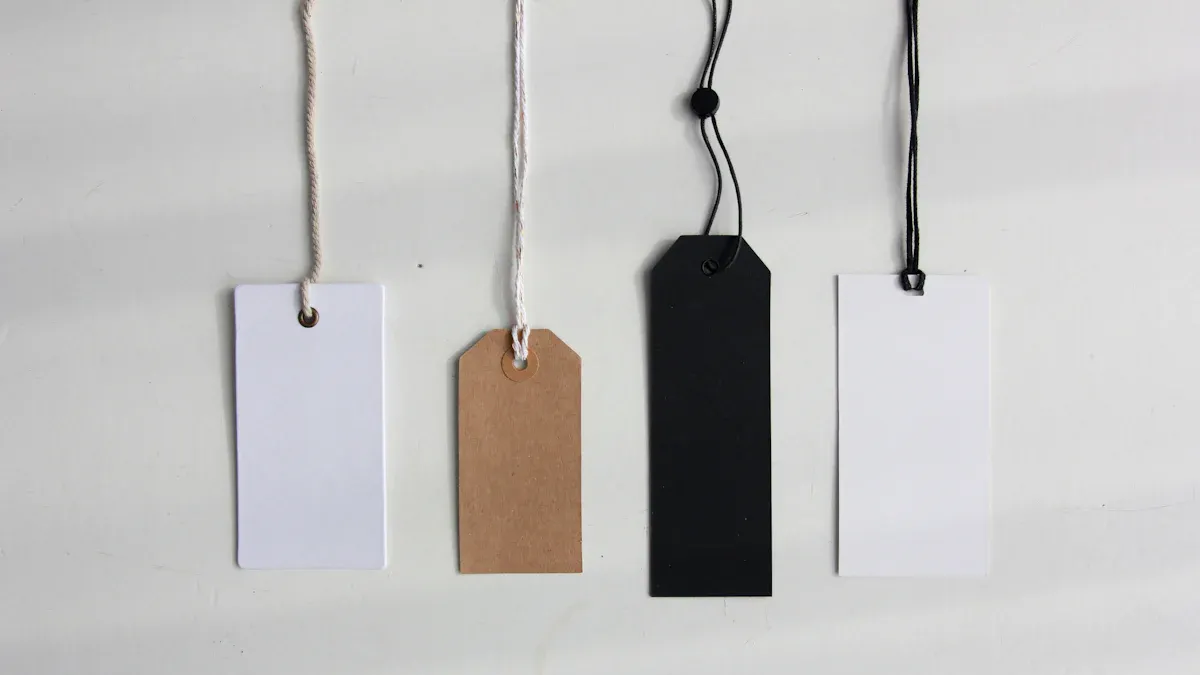
Your packaging has one job on the shelf: sell the product without creating work for the store. Retail buyers judge packaging fast. A box that hangs wrong or blocks the planogram gets rejected. Get this area right and your night lights move from the truck to the shelf with zero friction.
Shelf-Ready and Planogram-Friendly Design
Night lights usually sell from peg hooks or small shelf trays. Confirm the hang hole position, the peg diameter, and the overall footprint against the retailer's planogram. Ask for a shelf-ready display unit when the channel allows it. A display that ships pre-loaded saves store labor and keeps your brand block tidy. Send physical samples to the buyer for a planogram fit test before you approve the print run.
Durability Through the Distribution Chain
Packaging must survive stacking, vibration, and drops from the pallet to the back room. Specify a corrugate grade and a drop-test standard in your purchase order. Run a transit test on a full master carton. Check the retail box for scuffing and the product for movement inside the pack. A crushed corner or a cracked lens means a customer complaint and a markdown.
Sustainability and Material Expectations
Retail chains now ask for packaging material data as part of onboarding. Use recyclable paperboard for the retail box and the master carton. Drop plastic blisters where the channel accepts it. Request material declarations for coatings and inks. Keep the pack volume tight to cut freight cost and waste. Document every material choice in your spec sheet, so you can answer a buyer's sustainability questionnaire without a scramble.
Evaluating Packaging Samples and Specs
Never approve packaging from a PDF alone. Ask for a physical pre-production sample of the retail box and the master carton. Hold it in your hands. Hang it on a peg. Set it on a shelf next to a competing product. You will spot problems a flat file can hide, like a weak hang tab or artwork that looks muddy in print.
Build a spec sheet for every SKU and make it part of the purchase order. The sheet should list board grade, print method, box dimensions, barcode placement, and compliance marks. Add the hang hole size and position. Include the drop-test standard you expect. A written spec gives the factory a fixed target and gives you grounds to reject a bad run.
Run through this approval sequence before you release the print job:
- Review the digital artwork proof against the retailer's artwork guide.
- Scan the barcode with a handheld scanner and confirm the number matches your SKU.
- Approve a physical sample from the actual production line, not a hand-built mockup.
- Sign and date the golden sample, then keep a copy at your office and one at the factory.
- Test a full master carton in a transit simulation.
Keep the golden sample on file for the life of the SKU. Compare every future production run against it. Color drift and board changes creep in slowly, and the golden sample catches both. Ask your supplier to store a matching reference copy. A partner who treats the golden sample as a shared standard will keep your packaging consistent order after order.
Quality Control You Can Audit
Compliance and packaging get you onto the shelf. Quality control keeps you there. A night light that fails in a customer's hand creates returns, bad reviews, and a buyer who questions the next order. You need a QC system you can walk into, inspect, and trust. That means looking at three stages: how the factory checks parts as they arrive and move through the line, how it tests finished units, and how it holds quality steady from one batch to the next.
Incoming and In-Process Inspection
Quality starts before the first night light is assembled. Ask your supplier how they check incoming components. A factory that skips this step builds defects into every unit. You want to see a written incoming inspection procedure. It should cover the LED module, the housing, the plug assembly, the sensor or photocell, and the packaging materials.
Ask what they check on each incoming lot. Common checkpoints include voltage rating on the LED driver, plug prong dimensions, housing color match, and switch feel. The factory should record the results and hold rejected lots. Ask to see a sample inspection record during your audit. A blank form tells you the process exists on paper only.
In-process inspection matters just as much. Night light assembly has a few points where errors creep in. The plug-to-housing connection, the sensor alignment, and the final screw torque are common trouble spots. Ask where the factory places its in-line checks. A good supplier stations a check after the electrical connection and another before the unit goes into the retail box.
You should also ask about the sampling plan. Many factories use AQL sampling, which sets an acceptable defect rate per lot. Ask what AQL level they apply and whether it changes by defect type. Critical defects like a live exposed wire should have a zero-tolerance rule. Major defects like a dead LED or a faulty sensor should have a tight limit. Minor cosmetic issues can carry a looser limit.
Walk the line during your audit. Watch how workers handle units. Look for bins of rejected parts and ask where they go. Check whether the inspection station has the right tools, like a plug gauge or a light meter. A station with no tools is a station that checks nothing.
Product Testing and Performance Checks
Every finished night light should pass a set of performance checks before it ships. Ask your supplier for the test list and the pass criteria. The table below shows the core tests you should expect and what each one proves.
| Test | What It Confirms |
|---|---|
| Hi-pot (dielectric strength) | No electrical breakdown between live parts and the housing |
| Ground continuity (where applicable) | Safe path to ground on Class I units |
| Power-on function | LED lights up and the switch works |
| Sensor response | Photocell or motion sensor triggers at the right light level |
| Power consumption | Draw matches the rated spec and market limits |
| Lumen output | Light level meets the marketed brightness |
| Drop test on retail pack | Product and packaging survive a handling drop |
Hi-pot testing is the most important electrical check. It applies a high voltage between the live circuit and the housing for a set time. A unit that fails this test has an insulation weakness. That is a safety issue, not a cosmetic one. Ask how often the factory runs hi-pot on every unit versus a sample. For night lights, a 100% hi-pot check on every unit is the safer standard.
Sensor testing deserves its own attention. Many night lights use a photocell that turns the light on at dusk. Ask how the factory verifies the trigger point. A simple light box with a dimmer lets a tester confirm the unit switches on and off at the right ambient level. Ask for the target range and the test method. A supplier who cannot describe this test is not checking the feature your customer cares about most.
Performance checks should also cover the marketed claims. If the box says "warm white" or "3000K," the factory should verify the color temperature on a sample basis. If the pack claims a certain lumen output, the test should confirm it. Claims that go unchecked become customer complaints and, in some markets, regulatory problems.
Ask for the test records from your last production run. Look for the date, the operator, the unit serial or batch number, and the result. Records that show every unit passing every test with no failures are suspicious. Real production has some failures. A factory that reports zero defects is either not testing or not recording honestly.
Batch-to-Batch Consistency
You can approve a perfect sample and still get a bad shipment. The gap between one production run and the next is where most quality problems live. Color shifts, brightness drift, and sensor timing changes all creep in when a factory swaps a component supplier or rushes a run.
According to a night light manufacturing blog on bulk purchasing universal lamp holders, batch consistency is the single biggest factor determining defect rate in night light production. The source notes that even a 1–2% difference in consistent quality can significantly affect outcomes.
That small margin matters. A one-point shift in LED bin color makes two batches look different on the shelf. A slight change in the photocell supplier moves the dusk trigger point. Customers notice. Returns climb. The buyer starts asking questions.
So how do you hold consistency? Start with a locked bill of materials. Every component should have an approved supplier and a part number. Any substitution needs your written approval. Ask your supplier how they handle a component shortage. A factory that swaps parts quietly to keep the line running is a factory that will surprise you.
Ask for the golden sample rule. The factory should keep a signed reference unit from the approved first run. Every new batch gets compared against it under the same lighting. Color, brightness, switch feel, and sensor response all get checked. Ask to see the comparison log.
Request batch traceability. Each master carton should carry a batch code that links back to the production date, the component lots, and the test records. If a problem shows up in the field, traceability lets you isolate the affected units fast. Without it, you face a full recall instead of a targeted fix.
Finally, ask how the factory handles a failed batch comparison. A good partner quarantines the batch, finds the root cause, and corrects it before shipping. A weak partner ships it anyway and hopes you do not notice. The answer to this question tells you which kind of night light supplier for retail chains you are dealing with.
Questions to Ask During a Supplier Audit
A supplier audit is your best chance to see the truth behind the sales pitch. You walk the floor, open the files, and talk to the people who run the line. The questions you ask decide what you learn. Ask vague questions and you get vague answers. Ask sharp questions and you find out whether this night light supplier for retail chains can hold quality over hundreds of thousands of units.
Start with the quality system itself. Ask who owns QC at the factory. Get a name and a title, not a department. Ask whether that person reports to production or to management. A QC lead who answers to the production manager faces pressure to pass bad batches. A QC lead with a direct line to the plant manager can stop a shipment without a fight.
Then ask for the quality manual and the written procedures. You want to see documented steps for incoming inspection, in-process checks, final testing, and corrective action. Ask when each procedure was last updated. A procedure dated five years ago tells you the factory stopped improving. Ask how they train new inspectors. Ask for a training record with names and dates. A factory that cannot show training records is a factory that trusts luck.
Move to the inspection data. Ask to see the last three months of inspection reports for a product similar to yours. Look for real numbers, real failures, and real signatures. Ask what happened to the failed units. Ask how the factory set its AQL levels and who approved them. Then ask the question that separates strong suppliers from weak ones: what was your top defect last quarter, and what did you do about it? A good answer names the defect, the root cause, and the fix. A bad answer is "no defects."
Testing deserves its own round of questions. Ask how the factory runs the hi-pot test. Ask whether it tests every unit or a sample. Ask to watch the test in action during your visit. Ask how they calibrate the test equipment and how often. Ask for the calibration log. Equipment without a current calibration sticker gives you numbers you cannot trust.
Batch consistency needs direct questions too. Ask how the factory locks its bill of materials. Ask what happens when a component runs short. Ask who approves a substitution and how you get notified. Ask to see the golden sample and the comparison log. Ask how they store the reference unit and whether it stays in a controlled space. A golden sample that sits on a sunny windowsill has faded and tells you nothing.
Documentation and traceability round out the audit. Ask how a batch code links back to component lots and test records. Pick a carton from the warehouse and ask them to trace it in front of you. Ask how fast they can isolate affected units if a field problem appears. Ask for a sample recall or containment drill record. A supplier who has practiced containment will move fast under pressure. A supplier who has not will improvise.
The table below groups the core audit questions by area, so you can carry it into the meeting.
| Audit Area | Questions to Ask |
|---|---|
| Quality ownership | Who leads QC? Who do they report to? Can they stop a shipment? |
| Procedures | Show the written QC procedures. When were they last updated? How do you train inspectors? |
| Inspection data | Show three months of reports. What was your top defect last quarter? What did you fix? |
| Testing | Do you hi-pot every unit? Show the calibration log. Can I watch the test? |
| Batch consistency | How do you lock the BOM? Who approves substitutions? Where is the golden sample? |
| Traceability | Trace this carton for me. How fast can you isolate a bad batch? Show a containment drill record. |
Close the audit with the corrective action question. Ask the supplier to walk you through a recent quality problem from start to finish. You want the timeline: when they found it, who they told, what they changed, and how they proved the fix worked. Ask for the closed corrective action report. A factory with a healthy QC system has a few of these on file. A factory with none is either hiding problems or not finding them.
A supplier who welcomes hard questions and shows you the messy details is worth more than one with a perfect slide deck.
Watch how the team answers, not just what they say. Do they pull records without hesitation? Do they know their own numbers? Do they admit a weakness and describe a plan? Those signals tell you more than any certificate on the wall. Run this audit before you sign, then repeat a lighter version every year. Quality systems drift, and a yearly check keeps your night light supplier for retail chains honest.
Replenishment Without Stockouts
You can pass every compliance check and still lose the sale when the shelf sits empty. Replenishment keeps product flowing after the first order ships. Get this area right and your stores stay stocked through peak season.
Lead Times and Production Capacity
Ask for real numbers, not promises. A capable partner runs standardized lines with automated equipment and in-house injection molding. That setup supports steady output and fast tooling changes. Here is a typical profile you can benchmark against.
| Category | Metric | Value |
|---|---|---|
| Factory space | Production floor | Over 3,000 sq meters |
| Production lines | Standardized lines | 5 with automated equipment |
| Monthly capacity | Night light units | 500,000+ |
| Injection molding | In-house machines | 10+ |
| Lead time | ODM stock item | 20–30 days |
| Lead time | Custom logo | 30–40 days |
| Lead time | OEM with existing mold | 35–50 days |
| Lead time | OEM with new mold | 60–90 days |
Match these windows to your promo calendar. Build in buffer for artwork approval and transit.
Inventory Management and Safety Stock
Most empty shelves trace back to your own process. Roughly 70–90% of stockouts come from poor shelf replenishment practices, not supplier failures. That is good news. You control the fix. Set a safety stock level for each SKU based on sales velocity and lead time. Review it monthly. Track sell-through at store level and trigger reorders before you hit the buffer.
Logistics, Shipping, and Delivery Reliability
Lock the shipping terms into your agreement. Confirm the port of loading, the transit time, and who handles customs. Ask for a delivery performance record from the past year. A supplier who hits promised dates keeps your shelves full. A supplier who slips dates creates gaps you cannot fill fast.
Forecasting and Communication Cadence
Forecasting only works when both sides talk often and share real numbers. Send your supplier a rolling forecast every month. Cover the next three to six months, not just the next order. Mark which numbers are firm and which are estimates. A supplier who sees your promo calendar early can reserve capacity before the rush hits.
Agree on a communication rhythm and put it in writing. A simple cadence keeps surprises small:
- A weekly email on open orders, production status, and any slips.
- A monthly call to review the forecast and capacity.
- A quarterly review of defect rates, lead times, and fill rates.
Name one contact on each side. You want a person who answers within a day, not a general inbox. When a problem pops up, a direct line beats a ticket queue every time.
Tell your supplier about demand swings as soon as you know. A new retail chain listing or a promo push can double your order overnight. Early warning lets the factory shift lines and buy components ahead of time. Silence forces them to guess, and guesses turn into stockouts.
Close the loop on the other side too. Ask your supplier to flag component shortages, line downtime, or holiday shutdowns before they affect your dates. A partner who warns you two weeks out gives you room to react. A partner who tells you at the shipping deadline gives you nothing.
Compliance, packaging, QC, and replenishment are the four pillars of a reliable night light supplier for retail chains. Verify each area with documentation, samples, and audits before you commit to volume. That work protects your chain from recalls, shelf gaps, and margin loss. Use this checklist when you screen a night light supplier for retail chains:
- Verified certifications and full test reports
- Signed artwork approval and a golden sample on file
- Written packaging specs, including board grade and drop-test standard
- Inspection reports and batch traceability records
- Confirmed lead times and production capacity
- Replenishment terms, safety stock levels, and a communication cadence
Ready to Source Quality LED Night Lights?
Contact Guangli today for a free quote and sample!
0users like this.