Sourcing Guide
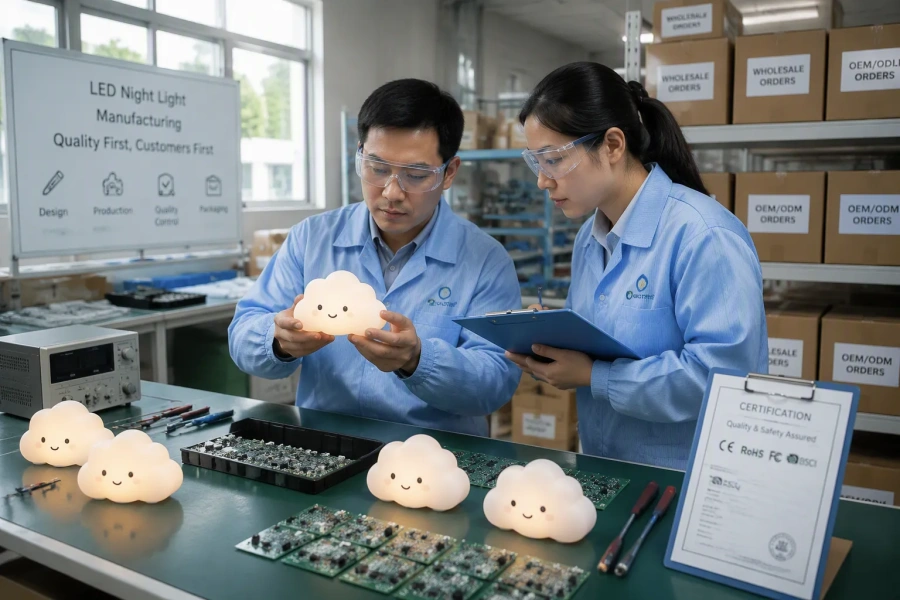
LED Night Light Manufacturer: OEM/ODM, Certifications & Factory Checks
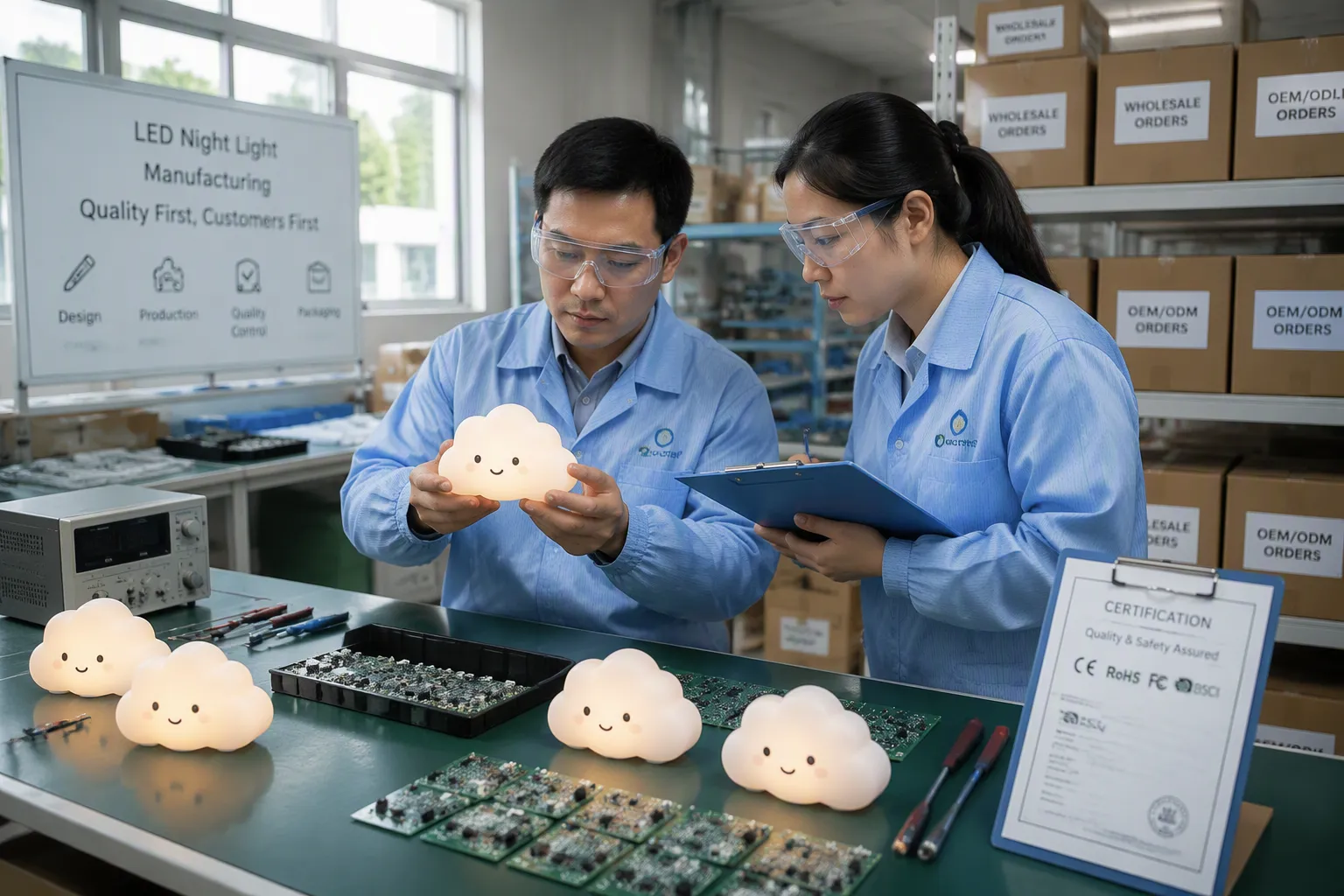
You need a reliable led night light manufacturer for your business. Ask one key question first: does this factory build night lights that meet UL, ETL, or FCC safety standards? Wholesale sourcing depends on minimum order quantities (MOQs), steady quality, and trust. The global LED night light market is still growing, so the category is not saturated.
| Metric | Value |
|---|---|
| Estimated market size (2021) | USD 332.4 million |
| Projected market size (2028) | USD 425.8 million |
| CAGR (forecast period) | 3.6% |
A careful review of manufacturing models, certifications, factory audits, and partnership terms protects your brand and your investment.
Quick Answer: An LED night light manufacturer should be judged on four things before price: the manufacturing model that fits your stage (OEM for custom designs, ODM for ready-made lines), verified safety certifications (UL or ETL for the US, CE for Europe), factory capability you can audit (in-house molding, IQC/IPQC/OQC inspection, real monthly capacity), and commercial terms (MOQ tiers, lead times, payment). Factories that publish certificate numbers, welcome audits, and put lead times in writing are the ones that can hold quality as your volumes grow.
Table of Contents
- Key Takeaways
- OEM vs. ODM: Which Manufacturing Model Fits Your Business
- Why Plug-In LED Night Lights Are a Smart Product Line
- Lamp Holder Compatibility for Global Distribution
- Key Certifications Required from an LED Night Light Manufacturer
- Factory Capabilities: Production, Quality Control, and Lead Times
- Customization and Design Support for Your Brand
- Pricing, MOQs, and Negotiation Strategies
- Tips for a Successful Manufacturer Partnership
- Common Mistakes to Avoid When Sourcing LED Night Lights
- A Note on Selection and Use
- Sources and References
Key Takeaways
- Choose OEM for custom designs or ODM for ready-made options to match your business stage.
- Verify UL, ETL, or FCC certifications to ensure safety and market access.
- Check factory production capacity and quality control to avoid stockouts and defects.
- Customize colour, brightness, and features so your version looks like yours, not a generic stock item.
- Clear communication and steady repeat orders do more for a supplier relationship than a hard first negotiation.
OEM vs. ODM: Which Manufacturing Model Fits Your Business
Your manufacturing model shapes everything downstream - your costs, your timeline, and how much control you keep over the final product. Two paths dominate the lighting industry: OEM and ODM. Each one serves a different business stage and a different level of brand ambition.
What Is OEM and When to Choose It
OEM (Original Equipment Manufacturer) means the factory builds night lights to your design specifications. You bring the drawings, the features, and the finish requirements. The factory produces exactly what you ask for, and you sell it under your own name. Choose OEM when you want a unique product that no competitor can copy off the shelf. Established brands often prefer this route to protect their distinctiveness. It is the wrong first step if you are still testing whether a design sells at all, though: expect higher upfront costs and longer lead times, since custom tooling and R&D come first.
What Is ODM and Its Advantages
ODM (Original Design Manufacturer) flips the process. The factory designs and produces the night light, and you pick from ready-made or semi-custom options. You then label the product as your own. This model works well for startups that need fast sampling and low risk, and for anyone who needs stock on shelves quickly. You can test the market, then move to OEM later for more control. What it does not give you is a look nobody else can buy - customization stays moderate, usually limited to logo, color, or small design tweaks.
Comparing Cost, Speed, and Brand Control
The trade-offs become clear when you line them up side by side.
| Factor | OEM | ODM |
|---|---|---|
| Product Design | Brand-driven, custom specs | Manufacturer-driven, standard designs |
| Customization | High - meets exact brand needs | Moderate - limited to design tweaks |
| IP Ownership | Brand usually owns IP | Manufacturer may own or share IP |
| Cost Structure | Higher upfront, flexible ongoing | Lower initial, fixed per unit |
| Lead Time | Longer (custom R&D) | Shorter (ready-made designs) |
| Branding | Fully unique | Private label, white label options |
Lead times tell the same story. An ODM stock item ships in 20-30 days. Add a custom logo and you wait 30-40 days. OEM with an existing mold runs 35-50 days. OEM with a new mold stretches to 60-90 days.
OEM grants complete control over specs, features, and finishes. ODM offers flexibility but starts with the manufacturer's core design.
A hybrid approach often works best. Use ODM to fill product line gaps or test trends, and reserve OEM for your core signature pieces.
Why Plug-In LED Night Lights Are a Smart Product Line
Plug-in night lights sell well because they solve a simple problem. You plug them into a wall socket, and they work. No batteries, no charging, no fuss. That convenience keeps buyers coming back.
Market Demand and Energy Efficiency Benefits
Demand for plug-in models keeps growing for clear reasons:
- They cost less over time because you never replace batteries.
- Smart-home integration lets users control them remotely.
- Low power draw and long lifespan appeal to energy-conscious buyers.
- Decorative designs blend into modern home decor.
- Blue light reduction and soft colors support better sleep.
- Dense apartment living drives demand for always-available hallway and nursery lighting.
Running cost is where the maths gets easy to sell. LED night lights are the most efficient option on the market. They use a fraction of the electricity that incandescent bulbs consume. A 1W LED costs you about $0.74 per year to run. A 5W incandescent costs about $5.70. Over ten years, that gap adds up fast.
| Factor | LED Night Light | Incandescent |
|---|---|---|
| Typical power | 0.5-1W | About 5W |
| Annual cost | About $0.74 | About $5.70 |
| Lifespan | About 10 years | About 2 years |
| Annual CO2 | About 2.4 lbs | About 12 lbs |
Safety Features and UL/ETL Compliance
Safety matters most for a product that stays plugged in all night. UL and ETL certifications prove a night light meets US safety standards. Look for built-in features like dusk-to-dawn sensors, automatic shutoff, and cool-touch housings. These details protect your customers and your brand.
Plug-In vs. Battery-Operated for Wholesale Buyers
Plug-in models suit fixed spots near an outlet - a hallway, a landing, a kitchen. Battery models suit the spots that have no outlet at all, like a closet shelf or a stairwell corner. Neither is the better light; they just fit different rooms, so stocking both covers more of the market than backing one.
Lamp Holder Compatibility for Global Distribution
You sell night lights in more than one country, so socket compatibility becomes a make-or-break detail. A plug that fits a US outlet means nothing if the lamp holder does not match the local fixture. Get this wrong, and your returns pile up fast.
Common Socket Types (E12, E14, GU10, and Others)
Night lights use a handful of standard sockets. The table below shows the most common ones you will encounter.
| Socket Type | Description | Diameter | Common Night Light Usage |
|---|---|---|---|
| E12 | Small screw base | ~12 mm | Commonly used in nightlights and other small decorative lamps |
| B15 | Mini bayonet base | ~15 mm | Used for fridge lamps and night lights |
E12 (candelabra) and E14 (small Edison screw) are smaller Edison screw variants. You will find them in chandeliers and decorative fixtures. GU10 sockets use a bi-pin twist-lock design for mains-voltage bulbs. They show up in track lighting and recessed downlights.
| Socket | Diameter | Voltage (Typical) | Regional Use | Common Applications |
|---|---|---|---|---|
| E12 | 12 mm | 120 V (US) | United States | Decorative chandeliers, sconces, small lamps |
| E14 | 14 mm | 240 V (Europe) | Europe | European decorative fixtures |
| GU10 | 10 mm pin spacing | 120 V (US) / 240 V (UK) | US, UK, and other regions | Track lighting, recessed cans, accent spots |
Regional Compatibility Testing Requirements
Every region tests differently. The US runs on 120 V, while Europe and the UK use 240 V. You must verify voltage ratings, pin spacing, and wattage limits for each market. E12 typically handles lower wattage - around 25-40 W incandescent equivalent. GU10 needs no transformer because it runs at line voltage. Test each variant against local standards before you ship.
Design Considerations for Universal Fit
A universal design saves you money and headaches. Build your night light around a modular socket base. Then swap only the connector for each region. This approach cuts tooling costs and speeds up new market entry. Keep wall clearance generous, too. A tight fit traps heat and fails safety tests.
Key Certifications Required from an LED Night Light Manufacturer

Certifications are not paperwork. They are your ticket into major markets. They also protect you from lawsuits, recalls, and angry customers. When you vet an led night light manufacturer, ask for certificates before you ask for prices. A factory without the right marks cannot legally sell into your target market.
UL, ETL, FCC, CE, and RoHS Explained
Each certification covers a different job. Some prove electrical safety. Others control radio interference or limit toxic materials. You need the right mix for each region you sell into.
| Certification | Primary Purpose | Geographic Scope / Notes |
|---|---|---|
| UL | Safety certification for electrical products; evaluates, tests, and certifies products against safety standards | International safety organization; widely recognized in the U.S. |
| ETL | Safety certification for LED lights based on functionality and safety compliance standards | Issued by Intertek, an international third-party company; accepted as an NRTL in the U.S. |
| FCC | Ensures compliance with RFI and EMI standards for electronic and communication devices, including LED lights | U.S.-based regulatory requirement |
| CE | Mandatory regulatory marking covering health, environmental, and safety rules | Required for products sold in the European Economic Area (EEA) |
| RoHS | Restricts hazardous substances in electronic products; focuses on environmental and human health safety | Valid in various countries, including the European Union; not a safety indicator |
People often ask about UL versus ETL. Here is the short answer. UL and ETL both count as Nationally Recognized Testing Laboratories (NRTLs) under OSHA. Inspectors and Authorities Having Jurisdiction accept both marks. The testing is identical. UL is more common in lighting, but there is little practical difference for passing inspection. Many manufacturers describe ETL listing as faster than UL listing. That speed pushes more factories toward ETL as their product volume grows.
RoHS and WEEE deserve a closer look, because buyers often confuse them with safety marks. These standards focus mainly on environmental and manufacturing considerations. They relate to restricted hazardous substances, electronic waste handling, and environmental compliance. They can reflect responsible manufacturing practices. However, they are not strong indicators of device effectiveness, clinical performance, product quality, or therapeutic outcomes. RoHS should not be used as a safety check. For electrical safety documentation, look for UL or ETL in the United States, CSA/cUL/cETL in Canada, CE marking in Europe, and EESS certification in Australia.
How Certifications Affect Market Access and Liability
Certification decides which shelves you are allowed onto. A US retailer will not stock a plug-in night light without UL or ETL listing. Amazon and Walmart both require proof. European buyers demand the CE mark. Skip these marks, and your shipment sits in customs or gets destroyed.
Liability is the bigger issue. If a night light overheats and starts a fire, the investigation starts with the certification. A valid UL or ETL mark shifts part of the responsibility to the testing lab and the factory. No mark means the blame lands on you. Insurance companies may refuse to cover uncertified products. One recall can wipe out years of profit.
Certifications also affect what you can charge. A certified light sits higher on the shelf than an uncertified one, and it comes back as a repeat order rather than a return.
How to Verify a Manufacturer's Certification Status
Never trust a PDF alone. Fake certificates are common in this industry. Follow these steps to confirm the real thing.
- Ask for the certificate number and the testing lab name.
- Go to the lab's online database, such as UL Product iQ or the Intertek directory.
- Search the certificate number and confirm the factory name matches.
- Check the product description on file. It must match the exact model you plan to buy.
- Confirm the certificate is current and not expired or withdrawn.
- Request the test report, not just the certificate. The report shows what was actually tested.
A certificate covers one specific model. If the factory swaps components or changes the design, the certificate becomes invalid.
Watch for scope gaps, too. A factory may hold UL for one night light model and claim it covers the whole catalog. It does not. Each model needs its own listing. Ask for a certificate that names your exact product. If the factory hesitates or stalls, walk away. Plenty of qualified suppliers exist, and a good led night light manufacturer will hand over documents without pressure.
Factory Capabilities: Production, Quality Control, and Lead Times
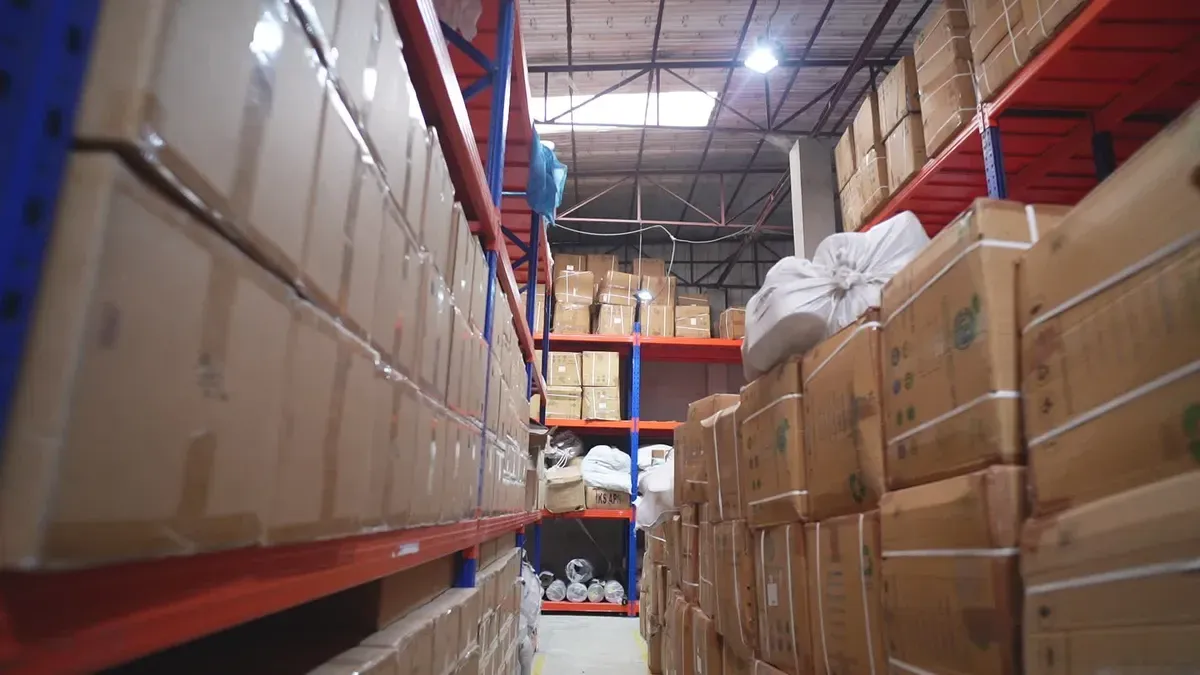
You can read a spec sheet all day. But the real test of an led night light manufacturer happens on the factory floor. Production capacity tells you how much they can build. Quality control tells you how well they build it. Lead times tell you when your order arrives. Get all three right, and your supply chain runs smooth. Get them wrong, and you face stockouts, defects, and angry customers.
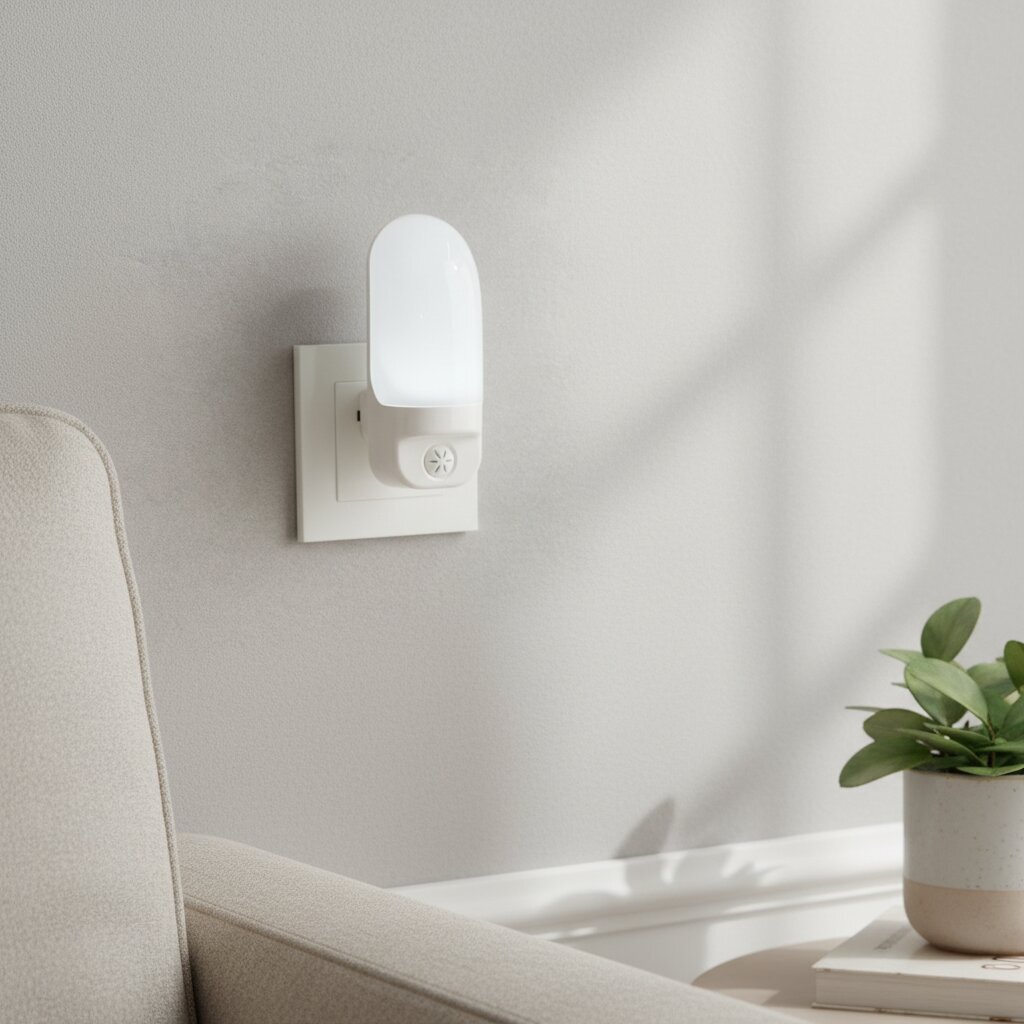
A finished A88 unit in a real living room - the kind of sample you should ask for before committing.
View the A88 touch dimmable night light
Assessing Production Capacity and Scalability
A factory's capacity decides whether it can grow with you. You want a partner who handles your first sample order and your biggest seasonal rush. Ask for hard numbers, not vague promises. A capable factory will share its infrastructure openly.
| Category | Metric | Value |
|---|---|---|
| Factory Infrastructure | Factory space | Over 3,000 sq meters |
| Factory Infrastructure | Production lines | 5 standardized lines with automated equipment |
| Factory Infrastructure | Monthly production capacity | 500,000+ night light units |
| Factory Infrastructure | Injection molding | 10+ in-house injection machines |
| Factory Infrastructure | Tooling & mould development | In-house workshop |
| Factory Infrastructure | R&D team | Industrial designers, electromechanical engineers, software engineers |
| Factory Infrastructure | Mould library | Nearly 100 exclusive mould designs |
| Scalability | Order range | From initial sample orders to mass production of hundreds of thousands of units |
| Scalability | Customization flexibility | Adjust product specifications, order quantities, and delivery schedules |
| MOQ | Standard ODM products | 500 pieces per model/color |
| MOQ | Logo customization | 1,000 pieces per model |
| MOQ | Custom packaging | 2,000 pieces per design |
| MOQ | New mould development (full OEM) | 5,000 pieces per model |
| Pricing Tiers | Sample orders | Sample pricing (typically 2-3x unit price, refundable on first bulk order) |
| Pricing Tiers | Small orders (500-2,000 pcs) | Standard unit pricing |
| Pricing Tiers | Medium orders (2,000-10,000 pcs) | 5-10% volume discount |
| Pricing Tiers | Large orders (10,000+ pcs) | 10-20% volume discount, negotiable |
In-house injection molding matters more than most buyers realize. It means the factory controls its own plastic parts. No waiting on outside suppliers. No surprise delays. The same logic applies to tooling. A factory with its own mould workshop can fix problems fast and build new designs without outsourcing.
Scalability shows up in the order range. A strong factory moves from a 500-piece sample run to a 100,000-unit order without breaking stride. It adjusts specs, quantities, and delivery schedules to match your needs. That flexibility protects you during peak seasons.
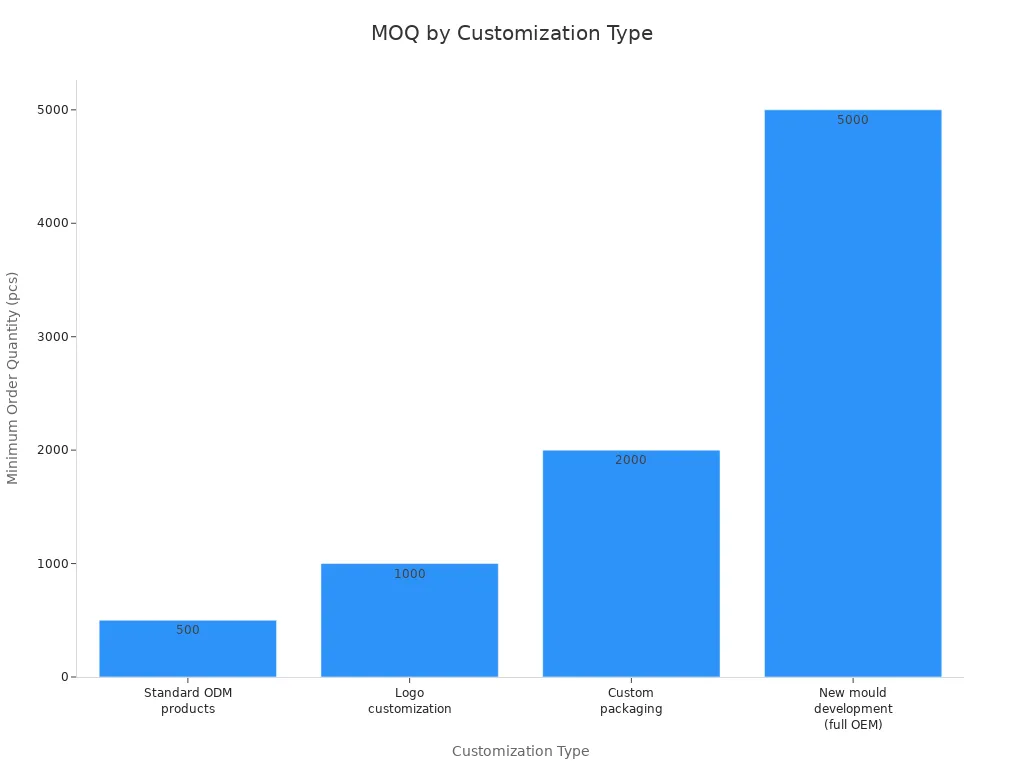
Watch the MOQ ladder as you add customization. Standard ODM products start at 500 pieces per model or color. Add your logo, and the MOQ jumps to 1,000 pieces. Custom packaging pushes it to 2,000. Full OEM with a new mould requires 5,000 pieces per model. Plan your first order around these tiers. They shape your cash flow and your risk.
Quality Control Processes (IQC, IPQC, OQC)
Quality does not happen by accident. It comes from a system with checks at every stage. Top factories run four inspection gates. Each gate catches problems before they reach the next step.
| Inspection Stage | Quality Control Goal |
|---|---|
| IQC - Incoming Quality Control | Increase customer loyalty |
| IPQC - In Process Quality Control | Gain repeat business |
| FQC - Final Quality Control | Gain new customers from referrals |
| OQC - Outgoing Quality Control | Maintain or improve market position |
Here is how each stage works in practice.
- IQC (Incoming Quality Control): Prevents nonconforming materials from entering production. Inspection covers appearance (visual, hand feel, comparison samples), size (calipers, micrometers, steel ruler), and characteristics (physical, chemical, mechanical properties via testing instruments). Methods include full inspection and sampling inspection. Results are handled by acceptance, rejection/return, concession acceptance, complete inspection, or reinspection after rework.
- IPQC (In-Process Quality Control): Covers production activities from material warehousing to finished product warehousing. Combines first-piece inspection with self-inspection, mutual inspection, and special inspection; process control with sampling and patrol inspection; centralized inspection of multiple processes; inspection by process; inspection after product completion; and sampling combined with full inspection.
- IPQC patrol inspection (second quality barrier): Includes first-piece inspection (first sample checked for materials and self-inspected, then confirmed by QC), material verification against order requirements, inspection of product quality, process regulations, machine operating parameters, material placement, marking, and environment, plus truthful inspection records.
- OQC (Outgoing Quality Control): Final inspection control for delivery inspection of finished products, along with feedback and treatment of quality abnormalities.
The IPQC patrol deserves special attention. It acts as your second quality barrier. Inspectors walk the line and check first-piece samples against order requirements. They verify materials, machine settings, and the work environment. They also keep written records. Those records matter if a defect slips through later.
Additional controls round out the system. A proper quarantine procedure keeps bad materials away from good ones. A complete complaint procedure tracks every issue to resolution. The Acceptable Quality Level (AQL) sets the sampling rate and frequency. You sign off on that AQL, so you control the risk level.
Factory Audit Tips: What to Inspect On-Site
A factory tour beats a sales pitch every time. You see what actually happens on the floor. Schedule your visit during production hours. A quiet factory during peak season raises red flags.
Start with the production floor. Count the lines and watch them run. Check whether the automated equipment works or sits idle. Look at the injection machines. Are they clean and maintained? Ask about the mould library. A factory with nearly 100 mould designs has deep experience in night light shapes and styles.
Move to the quality lab. Ask to see the testing instruments. Calipers, micrometers, and steel rulers should sit within reach. Request recent inspection records for IQC, IPQC, and OQC. Real factories keep these files current. If staff cannot produce them on the spot, question the system.
Check the warehouse next. Look at how they store materials and finished goods. Proper labeling and separation show discipline. A messy warehouse often signals a messy production line.
Talk to the workers. Ask how they handle a defect. Their answers reveal whether quality training is real or just a poster on the wall. Finally, review the R&D team. Industrial designers, electromechanical engineers, and software engineers on staff mean the factory can solve problems without outside help.
A factory that welcomes your audit and answers hard questions is a factory worth trusting. One that dodges the visit is not.
Before you leave, confirm the lead times in writing. Ask for a production schedule tied to your order. Then check their on-time delivery record for the past year. Capacity means nothing if shipments arrive late.
Customization and Design Support for Your Brand
Your night light should look like your brand, not like everyone else's. Good factories give you room to make it your own.
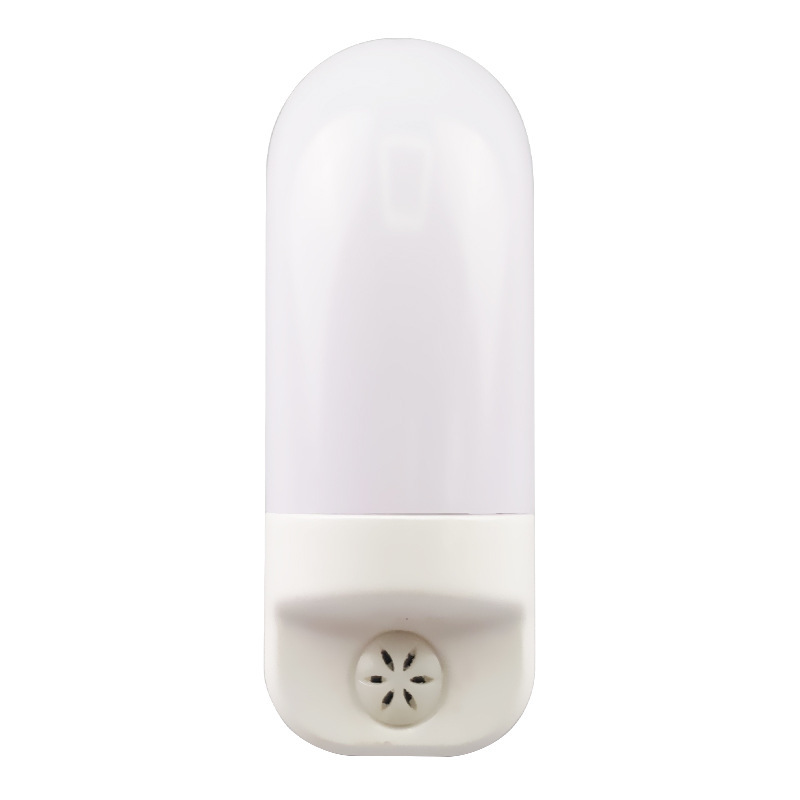
A clean product shot like this doubles as your listing photo - ask what the factory can supply.
View the A94D dusk-to-dawn sensor light
Available Customization Options (Color, Brightness, Features)
You can adjust color temperature from warm white to cool daylight. Brightness levels range from a soft 1-lumen glow to a brighter 50-lumen output. Feature add-ons include dusk-to-dawn sensors, motion detection, timers, and USB charging ports. Housing colors, logo printing, and custom packaging round out the list. Most factories handle all of these without new tooling.
In-House R&D vs. Third-Party Design Support
This choice shapes your speed and your control. In-house R&D gives you full oversight of quality, timelines, and IP protection. You also iterate faster when design changes come up often. The trade-off is higher upfront investment in engineers and equipment. Third-party support costs less at the start and taps specialized expertise. KLM chose this route for its custom night light, handing over design files and letting partners handle sourcing, production, and payments. That freed KLM to focus on its airline business. The catch? Products with a lithium cell or mains adapter still need FCC and CE certification, and realizing a simple design at affordable cost with good quality takes real work.
| Dimension | In-House | Outsourced |
|---|---|---|
| Control | Full oversight | Less oversight |
| IP Protection | Lower risk | Higher risk |
| Initial Cost | Higher | Lower |
| Flexibility | Easier changes | Dependent on partner |
Prototyping, Sampling, and Approval Workflow
A clear workflow keeps your project on track. Here is how it typically runs:
- Requirement review - You share your idea, artwork, size, quantity, target market, and budget. The factory checks feasibility.
- Design and structure evaluation - Both sides review shape, internal space, LED placement, switch design, and assembly method.
- 3D modeling - The factory builds a model that balances appearance and manufacturability.
- Prototype and sample making - You review size, lighting effect, function, and packaging fit.
- Mold making - Molds get cut for plastic shells and structural parts.
- Electronics and PCBA development - LED board, battery, sensors, and switches get tested.
- Pilot production - A small run checks assembly, lighting consistency, and surface quality.
- Mass production and QC - Every stage gets inspected against your golden sample.
- Packaging and shipment - Cartons, labels, and shipping method get confirmed before delivery.
Always sign off a golden sample before bulk production. It locks every variable and becomes your quality reference.
Pricing, MOQs, and Negotiation Strategies
Price talks. But you should understand what sits behind the number before you sign anything.
Typical MOQs for LED Night Light Manufacturing
MOQs vary a lot across the industry. Some factories set the bar low for stock items. Others want thousands of units before they start a custom run. Here is what you can expect.
| Product Type | MOQ |
|---|---|
| Standard products with existing molds | 10 pieces |
| OEM/ODM customization | No fixed MOQ (negotiated based on client requirements) |
That low entry point for stock items lets you test the market without much risk. Custom work opens a conversation instead of a hard rule. Ask your led night light manufacturer what they can flex on.
Factors That Influence Pricing (Materials, Certifications, Labor)
Three things drive your unit cost. Materials come first - LED chips, plastic resin, and metal contacts all move with market prices. Certifications add cost too. UL or ETL testing, FCC compliance, and RoHS documentation all require lab fees and time. Labor rounds out the picture. Hand assembly costs more than automated lines. Ask for a cost breakdown. A transparent factory will show you where every dollar goes.
How to Negotiate Long-Term Supply Terms
Good terms protect your cash flow and your supply. Start with payment. Push for net 30 or net 60 days after shipment. That gives you supplier financing and eases working capital pressure. Compare any early payment discount against your cost of capital before you accept it.
| Strategy Area | Effective Negotiation Approach |
|---|---|
| Payment Terms | Negotiate extended terms such as net 30 or net 60 days after shipment; evaluate early payment discounts against cost of capital. |
| Order Quantities | Leverage tiered pricing and volume thresholds for per-unit savings while balancing inventory carrying costs and cash flow. |
| Incoterms | Choose FOB for logistics control or DDP for simpler operations; adjust as the relationship matures. |
| Supplier Communication | Assess English proficiency and responsiveness; set clear protocols for contact methods and escalation. |
| Cultural Alignment | Discuss hypothetical scenarios to reveal problem-solving approaches and build trust. |
| Supplier Verification | Combine document review, factory audits, and progressive order scaling. |
Start small. Scale up as performance proves itself. That approach builds trust on both sides.
Related guides and products
- full LED night light catalogue - the complete plug-in, sensor, and decorative range
- night light base and lamp holder range - safety lamp holders that pair with global socket types
- how ODM works for night light brands - when a ready-made design is the faster route
- plug-in night light and lamp holder guide - socket compatibility details for export markets
- Guangli certificate library - UL, ETL, CE, UKCA, and other documents to request copies of
Tips for a Successful Manufacturer Partnership
A good supplier becomes a great partner over time. You build that relationship with steady effort. Here is how to make it last.
Clear Communication and Documentation
Put everything in writing. Verbal promises fade fast. You want a paper trail for every order, change, and agreement. Use simple documents that both sides understand.
- Confirm specs, quantities, and deadlines in writing.
- Name one contact person on each side.
- Set a response time for urgent issues.
- Keep a shared folder for certificates, drawings, and reports.
Language barriers cause real problems. Ask your factory how they handle translation. A quick video call often clears up confusion faster than ten emails.
Building Trust Through Consistent Orders
Trust grows when you show up again and again. Factories prioritize buyers who order on a regular schedule. You get better pricing, faster production slots, and more flexibility on rush jobs.
Start with small orders. Pay on time. Increase volume as quality holds steady. Your supplier will notice. Over time, you earn priority treatment during peak season. That advantage matters when everyone else waits in line.
Ongoing Quality Monitoring and Feedback
Do not disappear after the first shipment. Keep checking quality on every batch. Request inspection reports with each order. Compare new units against your golden sample.
Share feedback fast. If you spot a defect, send photos and batch numbers right away. Good factories fix problems and adjust their process. They also appreciate praise. Tell them when a batch exceeds expectations. Positive feedback motivates workers and strengthens the relationship.
A partnership built on clear talk, steady orders, and honest feedback outlasts any short-term price advantage.
Common Mistakes to Avoid When Sourcing LED Night Lights
You avoid big problems when you know the most common ones. Three mistakes trip up most buyers. Skip these and your sourcing runs smoother.
Overlooking or Faking Certifications
Certifications are your ticket into markets. Some buyers ignore them and hope nobody checks. Others accept fake PDFs from factories that never tested their lights. You need to verify every certificate against the lab's online database. If the factory stalls, walk away.
A common mistake when sourcing LED night lights is buying products without proper CE certification or from untrusted sources. Always verify that the certification is traceable through the manufacturer to ensure compliance with European electrical safety standards.
Choosing a Factory Based Solely on Price
The lowest unit price looks attractive. It rarely works in practice.
A lower unit price from an overseas supplier may look attractive until buyers account for freight, customs exposure, buffer inventory, communication overhead, and the cost of delays.
International sourcing adds more variables than most people expect. Shipping windows, customs clearance, consolidation delays, and port issues all extend lead time. Domestic sourcing shortens the chain between decision and delivery. That improves visibility and reduces your risk.
You also need to check accountability. Ask how the factory documents quality and tracks revisions. Find out what happens when your order does not match the approved sample. A cheap factory often skips these systems. The right support model depends on your project. A domestic distributor gives stronger front-end coordination. An overseas manufacturer provides deep factory insight but slower communication. Pick the model that fits your needs.
Ignoring Intellectual Property Protection and NDAs
Share your design without protection and you might see it on a competitor's shelf. You sign an NDA before you reveal any confidential information. Here is what your agreement should cover.
- Sign NDAs at the very beginning of the relationship, before exchanging any details.
- Define 'Confidential Information' in the contract, including verbally communicated information.
- Restrict use to the authorized purpose and include confidentiality exceptions.
- Require the recipient to apply at least the same protection standards you use yourself.
- Provide only the information necessary for the task and monitor its use throughout the process.
- At termination, demand return or destruction of all documents with a signed certification.
You vet potential partners carefully before sharing trade secrets. Trust matters, but contracts give you the backup you need.
Picking the right led night light manufacturer takes a clear plan. Evaluate the manufacturing model, verify certifications, audit factory capabilities, and align on customization and pricing. Prioritize factories with proven plug-in night light experience, proper lamp holder compatibility, and strong quality control. These details shape your product's market success. Build your partnership on transparent communication and realistic expectations. Never cut corners on certifications or chase the lowest price first. Take action now: create a shortlist of qualified manufacturers, request samples, and conduct a factory audit before you place a large order.
A Note on Selection and Use
Capacity, MOQ, and pricing figures in this guide reflect typical structures for established LED night light factories. Treat every number as a starting point for negotiation and confirm the current values in writing for your specific model, quantity, and customization level.
Sources and References
- OSHA NRTL program - why UL and ETL marks both satisfy US inspection
- UL Solutions - certification scope for lighting products
Last updated: October 10, 2026.
Ready to Source Quality LED Night Lights?
Contact Guangli today for a free quote and sample!
0users like this.