Sourcing Guide
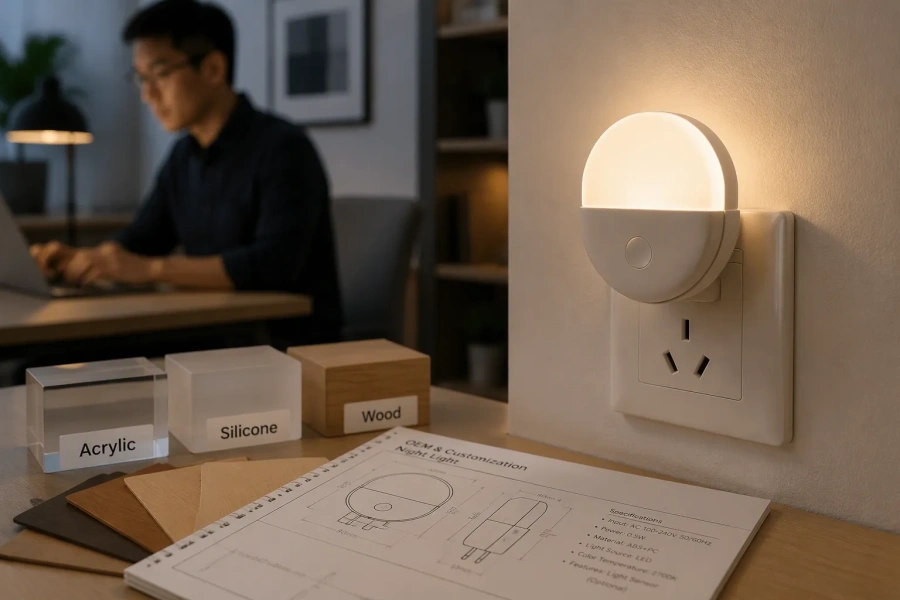
Decorative Night Light Manufacturer: Plug-Ins, Materials & OEM Guide
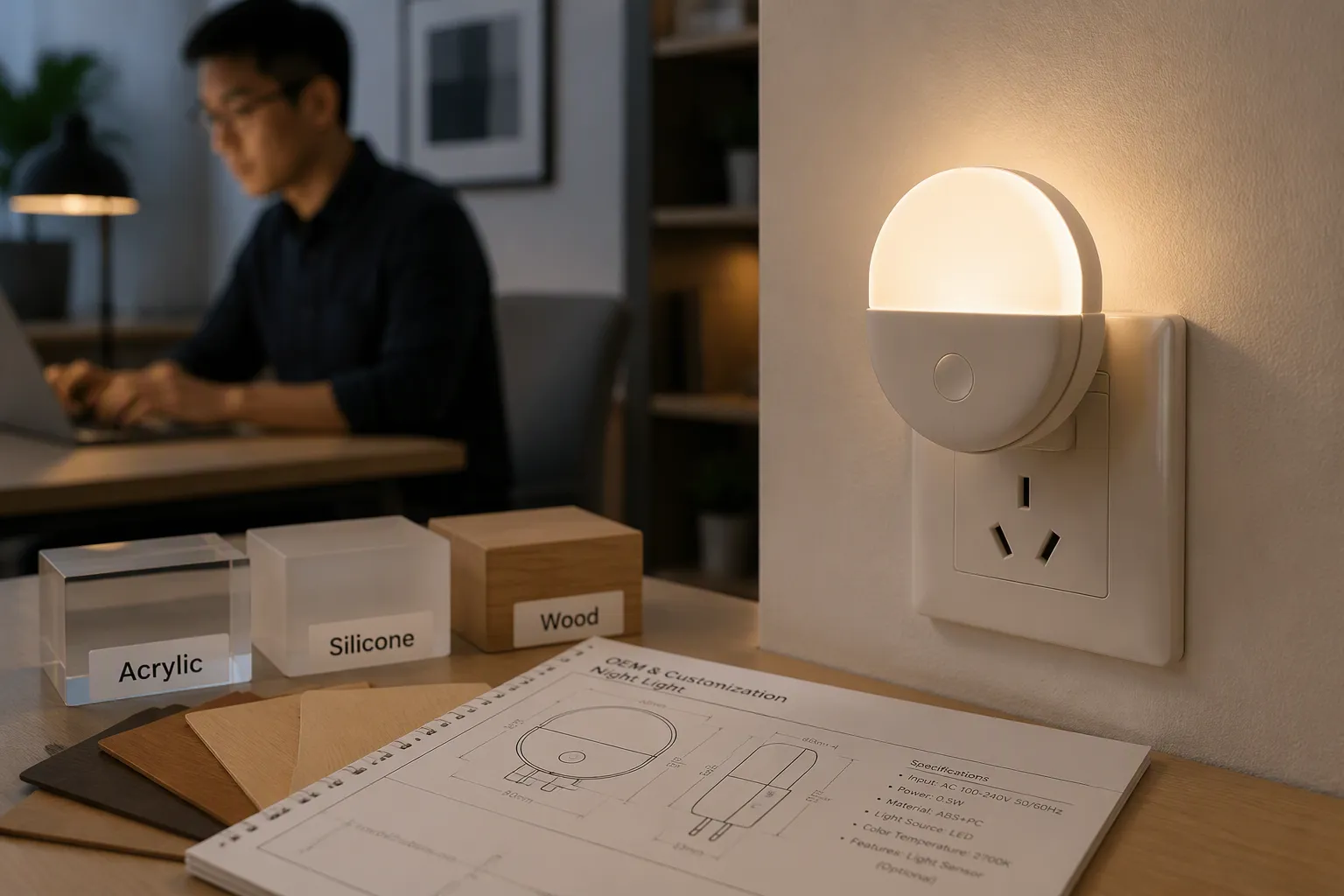
A decorative night light manufacturer handles design, production, and customization for your plug-in night light needs. Before you pick a supplier, check three things: plug-in designs, materials, and OEM options. You can choose from standard outlet models, swivel plugs, USB versions, or feature-rich designs with dimmers and motion sensors. Materials like plastic, silicone, glass, and metal affect durability, safety, and looks. OEM services let you create custom designs, private labels, and branded packaging. These three areas help you source smarter and build a stronger product line.
Quick Answer: A decorative night light manufacturer turns your plug-in night light concept into a finished, branded product. Compare suppliers on three things: plug-in design (standard, swivel, USB, dimmer, or motion-sensor), housing material (flame-retardant plastic, silicone, glass, metal, or acrylic), and OEM support (custom design, private label, branded packaging). Before you commit, ask for UL94 V-0 plastic grades, UL or ETL test reports, sample units, and written lead times. Manufacturers that share certificates, photometric data, and drop-test results up front are the ones that can hold quality at volume.
Table of Contents
- Key Takeaways
- Plug-In Designs from a Decorative Night Light Manufacturer
- Materials Used by a Decorative Night Light Manufacturer
- OEM Options from a Decorative Night Light Manufacturer
- Choosing the Right Decorative Night Light Manufacturer
- A Note on Selection and Use
- Sources and References
Key Takeaways
- Match plug-in style to customer space. Standard, swivel, USB models suit different rooms. Add dimmers, motion sensors for extra value.
- Choose housing materials for safety, durability, appearance. Plastic, silicone, glass, metal manage heat, impact, style differently.
- Use OEM services for custom design, private label, branded packaging. These tools build a unique product identity.
- Always request samples, test reports, certification documents. This proof ensures safety, prevents expensive mistakes.
- Confirm production capacity, lead times, support services. A reliable partner delivers on time, helps your brand grow.
Plug-In Designs from a Decorative Night Light Manufacturer

When you start sourcing plug-in night lights, the design format matters just as much as the look. A decorative night light manufacturer typically offers several plug-in styles. Each one serves a different use case. You should match the design to where your customers will actually use the product.
Standard Outlet Plug-Ins
Standard outlet plug-ins are the classic choice. The light plugs directly into a wall outlet. It sits flush against the wall. This design works well for hallways, bathrooms, and bedrooms. Your customers get a fixed light source right where they need it.
These models dominate the wholesale market for good reason. Buyers prefer them for everyday, fixed-location use where outlets are available. The design is simple. Production costs stay low. You can offer competitive pricing without sacrificing quality.
One detail you should watch: wall clearance. A good standard plug-in leaves enough space between the housing and the outlet plate. This gap prevents heat from getting trapped. It also helps the product pass safety tests. Ask your supplier about clearance specs before you commit to a large order.
Cool-touch housings are another feature to request. These prevent overheating during long overnight use. They protect your customers and your brand reputation. A product that stays cool to the touch feels safer and more premium.
Here is a quick look at the design features wholesale buyers request most often from manufacturers:
| Design Feature Requested | Purpose / Buyer Rationale |
|---|---|
| Dusk-to-dawn sensors | Automatically activate the light in low light, a core convenience feature for plug-in models |
| Automatic shutoff | Added safety for a device that stays plugged in overnight |
| Cool-touch housings | Prevents overheating and protects customers and brand reputation |
| Plug-in model dominance | Preferred for everyday, fixed-location use where outlets are available |
| Universal/modular fit design | Modular socket base with swappable connectors cuts tooling costs and speeds market entry |
| Generous wall clearance | Avoids heat trapping and helps pass safety tests |
| Customizable color, brightness, and features | Lets buyers differentiate their brand in the wholesale market |
This table gives you a clear picture of what sells. Use it as a checklist when you talk to suppliers.
Swivel Plug-Ins
Swivel plug-ins solve a common problem. Outlets sit in awkward spots. A fixed plug-in might block the second socket. It might also point light in the wrong direction. A swivel design fixes both issues.
The plug head rotates up to 360 degrees on many models. You can position the light exactly where you want it. This flexibility matters in tight spaces. It also helps when furniture blocks part of the outlet.
For your product line, swivel models offer a clear selling point. Customers notice the difference right away. They can aim light toward a hallway floor or away from a sleeping child. That kind of control builds loyalty.
Swivel mechanisms add a bit of cost. The internal contacts need to stay reliable through thousands of rotations. Ask your supplier about the rotation rating. A good swivel should last for years without getting loose or losing connection.
You should also test the swivel tension during sampling. Too loose and the light droops. Too tight and customers struggle to adjust it. The sweet spot feels smooth and stays in place.
USB Plug-Ins
USB plug-ins break free from the wall outlet. These models plug into a USB port instead. Your customers can use them with laptops, power banks, or USB wall adapters. This design opens up new markets.
Think about who buys USB night lights. Travelers want a small light they can pack. Students want a soft glow near their laptop at night. Parents want a portable option for kids who fear the dark. Each group values different features.
USB models often include a rechargeable battery. The light works even when unplugged. This makes them true portable night lights. You can market them for camping, hotel rooms, and power outages.
The trade-off is brightness. USB ports deliver limited power. Your supplier needs to design the LED and driver around that limit. A well-made USB night light still gives enough glow for a bedroom or hallway.
You should confirm the USB connector type with your supplier. USB-A is still the most common. USB-C is growing fast. Some buyers want both options in their catalog. Offering a modular design with swappable connectors cuts your tooling costs and speeds your market entry.
USB plug-ins also pair well with smart features. A dimmer or timer works easily through a USB connection. You can build a premium product without a complex wall-plug design.
Dimmer and Motion-Sensor Options
Dimmers give you control over light intensity. You can set a soft glow for sleep. You can choose a brighter setting for reading. Many buyers now expect this feature. A decorative night light manufacturer can offer several dimmer types. Some use a knob. Others use a touch pad. Some rely on a remote or app. You should match the dimmer design to your target audience.
A touch dimmer feels sleek. It responds to a tap or a press. Customers slide a finger to adjust brightness. This feature works well in bedrooms and nurseries. A rotary dimmer offers a more traditional feel. It has a small wheel or dial. Customers turn it to find their perfect level. Elderly customers often prefer this style. Remote dimmers add convenience. People can adjust the light without getting up. That helps parents and caregivers.
Motion sensors add another layer of utility. They turn the light on when someone enters the room. They turn it off after the area clears. This saves energy. It also adds safety. A person walking to the bathroom at night will not stumble in the dark. The sensor activates before they reach the switch. This feature works well in hallways, stairways, and entryways.
You need to check the sensor's range and sensitivity. A wide range covers more space. That may trigger the light too easily. A narrow range might miss movement near the light. Your supplier should offer adjustable sensitivity. Customers can set the field to match their room layout. Check the delay time too. A short delay turns the light off quickly. A longer delay keeps it on while someone moves slowly. Your product should offer both settings.
Motion sensors rely on different technologies. Passive infrared (PIR) sensors detect body heat. They work best when someone moves across the sensor's view. Ultrasonic sensors detect movement through sound waves. They can sense small motions around corners. Many modern nightlights combine both technologies. This reduces false triggers and improves reliability.
You want the sensor to avoid false activation. Pets can set off some sensors. Curtains swaying in a draft can also cause problems. A good sensor design includes a threshold level. The sensor ignores anything below that level. Discuss this with your supplier during sampling. Better yet, test the sensor in a real bedroom environment.
Power consumption matters here too. A motion-sensor night light should not drain energy while waiting. The standby power should be very low. Most quality models use less than one watt. That keeps electricity costs down. It also protects the environment. Ask the manufacturer for the standby wattage and the active wattage. Then you can tell your customers exactly what to expect.
Dusk-to-Dawn Sensor Features
Dusk-to-dawn sensors remove the need for a switch. The light comes on automatically at sunset. It turns off when daylight returns. Once it is set, nobody has to think about it again - which is why these models sell so steadily. You should understand how the sensor works before you add it to your product line.
The sensor detects ambient brightness. It uses a small photocell or light-dependent resistor. The sensor triggers the LED when the room dims. It shuts the light off when the room brightens. The response happens gradually. That prevents flickering during partial shade or passing clouds.
You need to think about where customers will place these lights. Bedrooms benefit from a dusk-to-dawn sensor because it keeps lighting consistent. Hallways and kitchens also work well. The sensor does not care about motion. It simply follows daylight hours. This makes it a good choice for rooms where a person spends a lot of time.
One key specification to check is the light threshold. Different sensors activate at different lux levels. A sensitive sensor may turn on during a stormy afternoon. A less sensitive one might wait until the room is fully dark. Ask your supplier for the threshold range. Then you can choose a setting that suits your brand's promise.
Another issue is the sensor's location. You want the photocell to face the room's ambient light. The night light's own glow might reach the sensor. Then the light could cycle on and off. Some designs shade the sensor from the LED. Others add a small delay. Make sure your supplier solves this problem. Otherwise customers will complain about blinking lights.
You should also consider combining dusk-to-dawn with a dimmer. A light that turns on automatically can still offer brightness control. Customers set the level once. The sensor handles the rest. For a premium line that pairing is worth calling out on the box: it still runs itself, but it is also the customer's own setting.
Dusk-to-dawn sensors pair well with energy-saving features. The light operates only when needed. This reduces overall energy use. Many residential building codes now prefer automatic lighting in certain spaces. A dusk-to-dawn model can help your customers comply with those rules. It is a concrete line you can put on your product page.
Finally, test the sensor's response time. Some photocells react within a second. Others take several minutes. A slow response may annoy people who enter a dark room. A fast response provides immediate comfort. Ask for the response time in milliseconds or seconds. Sample the sensor in different lighting. Watch how it behaves. That test saves you from returns later.
A manufacturer can show you the sensor's glow-curve data. Ask for this specification. A smooth transition between on and off feels natural. An abrupt jump can be jarring. A good sensor eases the glow up and down instead of snapping it on. That ramp is the difference between a light that feels considered and one that feels abrupt.
Materials Used by a Decorative Night Light Manufacturer
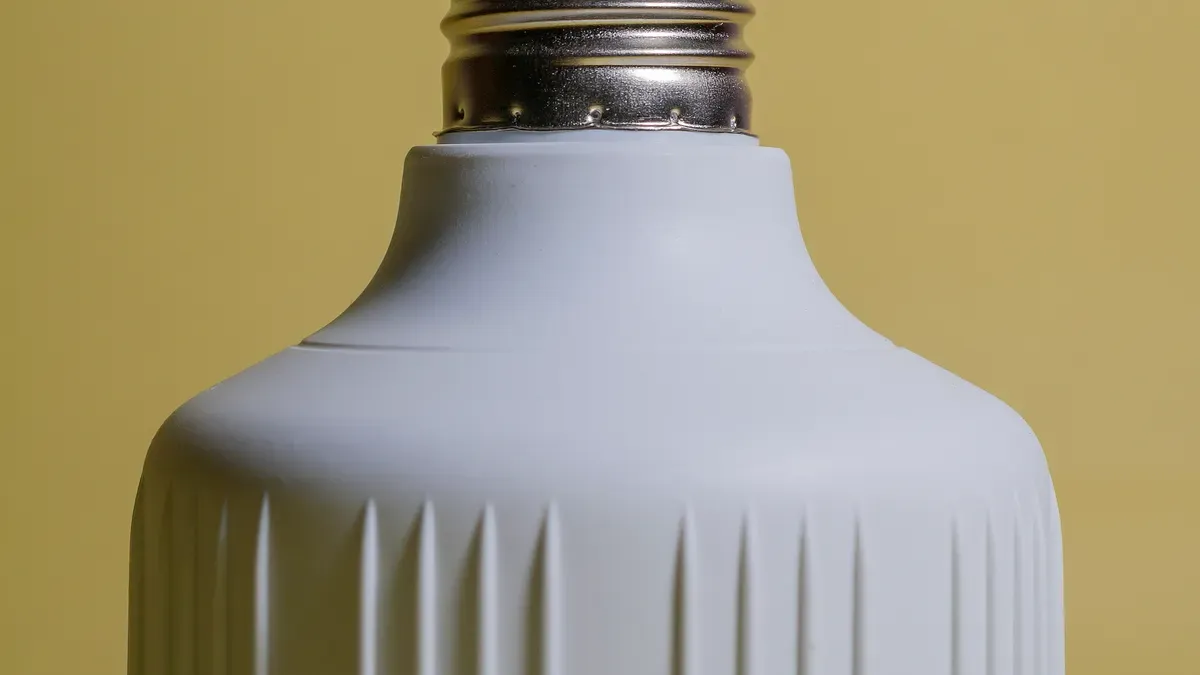
Plastic, silicone, and glass dominate the decorative night light market. Each material changes safety, durability, and appearance. Your choice also defines your brand. A decorative night light manufacturer can help you weigh each option against your customer's needs. Let's look at what each material really offers.
Plastic
Plastic is the workhorse of the industry. It is affordable, easy to mold, and lightweight. Most plug-in night lights use ABS or polycarbonate housings. These materials accept paint, texture, and color well. They also keep their shape for years. That versatility makes plastic the default choice for large orders.
Safety starts with the plastic grade. You need flame-retardant material in your housing. Look for a UL94 V-0 rating. This rating means the plastic burns briefly, then stops. It will not keep spreading flames. Without this rating, your product fails US safety inspections. You cannot sell a night light without it.
Exporting to Europe? Different rules apply. The EU requires CE testing and documentation. LED components must follow EN 62031. Control gear must follow EN 61347-2-13. Your complete night light must pass EN 60598-2-12. You also need RoHS compliance. This standard restricts lead, mercury, and other hazardous substances. Ask your supplier for these documents before you commit.
Here is a quick reference table for the safety landscape.
| Market | Scope | Standards |
|---|---|---|
| United States | Flame-retardant plastic housings | UL94 V-0 |
| United States | Plug-in night lights | UL 1786, NEC |
| United States | LED components and complete luminaires | UL 8750, UL 1598 |
| United States | Children's night lights | ASTM F963, CPSIA |
| European Union | LED components and control gear | EN 62031, EN 61347-2-13 |
| European Union | Electric children's products | EN 62115 |
| European Union | Complete plug-in night lights | EN 60598-2-12, CE/RoHS |
Does this feel overwhelming? It does not need to be. A reputable supplier handles these certifications for you. They will send you test reports. They will also keep you updated when standards change. Your job is to ask the right questions.
Plastic has small drawbacks. It can scratch with daily use. It can also yellow after months of sunlight. You can avoid these issues with a matte finish and UV-stabilized resin. BPA-free plastic is another smart upgrade. Parents now look for this label on any product near their children. Some suppliers even offer eco-friendly plastics made from recycled or plant-based resin. If sustainability is part of your pitch, they give you something real to point at rather than a bare claim.
Silicone
Silicone feels completely different from plastic. It is soft, squishy, and warm. Children love it. Parents appreciate that. Kids drop night lights. They squeeze them. They throw them across the room. Silicone survives all of that. It bends instead of shattering.
| Silicone Benefit | Why It Matters |
|---|---|
| Soft outer layer | Cushions bumps and reduces discomfort |
| Internal protection | Improves impact resistance when children drop the light |
| Edge safety | Smooth surface avoids sharp edges and hard corners |
| Durability | Resists scratches and damage from rough handling |
Silicone handles heat well. It stays stable at high temperatures. That means a silicone night light can run all night without melting or discoloring. Food-grade silicone is even better. It is BPA-free and non-toxic. Certified models also carry CE, UKCA, and RoHS compliance. Many include overheat protection and low-voltage operation. These features make the product safe for frequent touching.
Child-safety trends push silicone lights even further. Designers now use sealed battery compartments. Those prevent children from accessing small button-cell batteries. Rechargeable closed-unit lithium batteries replace replaceable cells completely. This change removes a choking hazard.
Light quality matters too. Pair silicone with low blue-light LEDs. Choose 2700K to 3200K color temperature. That warm range protects developing eyes. It also avoids disrupting melatonin. Add a diffuser for a glare-free glow. Your customers will notice the difference.
The next wave includes antimicrobial silicone. This material inhibits bacteria growth on the surface. It makes sense for a product little hands touch constantly. Biodegradable shells are also entering the market. These materials show that silicone can be safe and sustainable at the same time.
Glass
Glass creates a different feeling. It looks elegant and premium. A frosted glass shade spreads light softly. Clear glass sparkles like crystal. This style works well in living rooms, hotel rooms, and adult bedrooms. It adds a touch of sophistication that plastic and silicone cannot match.
Glass has one serious downside. It breaks. A glass night light that falls from a nightstand can shatter. Sharp shards can hurt bare feet. They can also hurt curious children. This risk is why many suppliers avoid real glass in kids' products. They choose shatter-resistant acrylic crystals, beaded resin, or fabric drum shades instead. These materials mimic glass's beauty without the danger. If your target audience includes toddlers, choose those alternatives.
Glass also traps heat. It does not ventilate like plastic or silicone. You need an LED-compatible glass fixture that accepts low-heat bulbs. You also need enough space between the bulb and the glass shade. Ask your supplier for the maximum wattage. Confirm the wall clearance. These details prevent overheating.
Certifications matter even more when you choose glass. Here is a quick guide to the marks you will see.
| Material or Certification | Child-Safety Significance |
|---|---|
| Shatter-resistant acrylic, beaded resin, or fabric shades | Safer than glass at toddler reach |
| LED-compatible fixtures | Accept low-heat LED bulbs, reducing burn risk |
| UL Listed | Tested for electrical and fire safety |
| ETL Certified | Tested by Intertek to the same standards |
| CSA Certified | Canadian equivalent safety certification |
| Prop 65 (California) | Discloses chemicals like lead in bargain fixtures |
UL Listed means a product passed electrical and fire safety tests. ETL Certified offers the same protection. It just comes from Intertek instead. CSA Certified covers the Canadian market. You should also watch for Proposition 65 warnings. That label appears in California when a product contains lead or other chemicals of concern. Many bargain fixtures carry this warning. You do not want it on your product.
Your material choice shapes almost everything: how the light feels in the hand, how safe it is, and whether it survives daily life. Pick for the customer who will actually use it.
Metal
Metal brings a different set of strengths to night lights. The housing feels solid in the hand, and that first impression does a lot of quiet selling before anyone reads the box. Stainless steel and aluminum are the two most common choices.
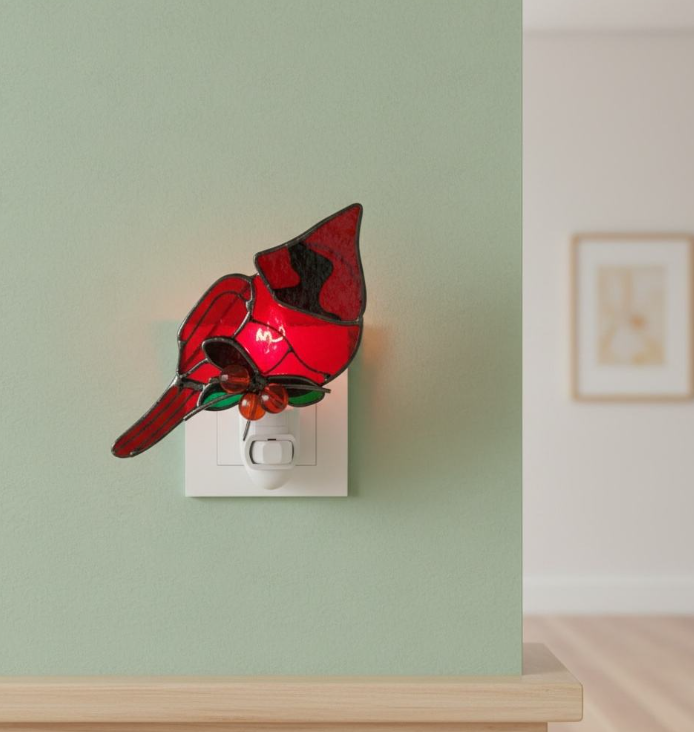
Glass and metal together: the GL-TY01 cardinal pairs a wrought-iron frame with a stained-glass shade.
View the GL-TY01 glass cardinal night light
Aluminum offers a great balance. It is lightweight, so it won't stress the outlet. It also resists rust and corrosion. Manufacturers can anodize aluminum in many colors. That gives a matte, scratch-resistant finish - modern-looking without being flashy.
Stainless steel feels heavier and more robust. It handles rough use without showing dents. Brushed finishes hide fingerprints well. This makes stainless steel ideal for kitchens and bathrooms. You can also polish it to a mirror shine for a luxury look.
Zinc alloy is another option, though less common. It allows intricate casting details. This works well for vintage or industrial-style designs. It feels dense and expensive in the hand. However, zinc alloy weighs more than aluminum. You need to verify the outlet plug can support that weight.
| Material | Best For | Key Advantage | Main Drawback |
|---|---|---|---|
| Aluminum | Modern, minimalist designs | Lightweight with anodized colors | Lower perceived weight |
| Stainless Steel | High-traffic areas | Maximum durability | Heavier, more expensive |
| Zinc Alloy | Vintage, detailed designs | Intricate casting possible | Significant weight |
Heat becomes your biggest concern with metal. Metal conducts heat efficiently. The housing will transmit heat from the LED to the surface. You need a low-wattage LED to prevent the metal from getting hot. Ask your supplier for the maximum LED wattage. Also confirm the thermal design. A good metal night light uses an internal heat sink or separation between the LED and the housing.
Metal also affects the electrical safety of your product. The housing is conductive. Any internal fault could energize the surface. Your supplier must include proper insulation and grounding. Check for UL certification specifically for metal-bodied fixtures. Do not skip this step. A factory that has shipped metal-bodied lights before can walk you through certification and flag the mistakes that cost real money.
One more detail matters: the plug. Metal-bodied lights put extra stress on the plug. The weight pulls downward from the outlet. You need a robust plug design with strong prongs. Ask how many insertion cycles the plug can handle. This number tells you how long the product will stay secure.
Acrylic and Resin
Acrylic and resin offer the closest look to glass without the shatter risk. These materials have evolved dramatically. Your customers get a premium appearance with practical safety. This combination makes them very popular for decorative night lights.
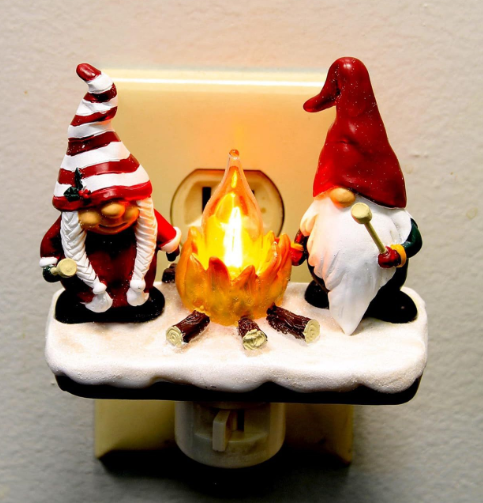
Resin captures fine detail - this GL-SZ18 gnome plug-in is a good example of sculpted decorative work.
View the GL-SZ18 resin gnome night light
Acrylic is a clear thermoplastic. It transmits light beautifully. You can mold it into geometric shapes, prisms, or crystal-like forms. The material resists yellowing over time when you use UV-stabilized grades. Acrylic also weighs less than glass. That reduces stress on the outlet.
Resin, on the other hand, offers unlimited creative freedom. Manufacturers pour liquid resin into molds. This captures every detail. You can create floral designs, animal figures, or custom brand mascots. The resin hardens into a solid, durable piece. Some resins add glitter, embedded objects, or color gradients for visual interest.
Here is where the safety picture changes. High-quality resins are non-toxic and BPA-free. But your supplier must prove this. Ask for material safety data sheets. Look for lead-free pigments and phthalate-free formulas. The product label tells you the whole story. A reputable supplier will show you everything.
| Material | Clarity | Design Freedom | Shatter Risk | Typical Finish |
|---|---|---|---|---|
| Acrylic | High | Moderate | Low | Crystal, smooth |
| Resin | Low to moderate | Very high | Low | Matte, textured, sculpted |
Acrylic and resin both offer good impact resistance. They will survive a fall from the nightstand. They also handle moderate heat well. Still, you want to keep the LED at a safe wattage. Overheating can cause discoloration or warping. The softer surface may also scratch more easily than glass. A scratch-resistant coating helps maintain the look.
You should also consider cleaning. Customers will dust these lights. A smooth acrylic surface wipes clean easily. Textured resin might trap dust in crevices. That can become annoying over time. Discuss cleaning instructions with your supplier. You may need to add a care card to your packaging.
Durability and Safety Considerations
Durability and safety go hand in hand. A night light that fails early creates a bad experience. A night light that overheats creates a dangerous one. You need to evaluate both before you order. Let us walk through the key checkpoints.
First, drop resistance. Children knock things off tables. A durable night light survives these falls. Ask for the drop-test height. Quality products should survive a 1.5-meter drop onto hard flooring. Ask for the test report. Do not just take verbal assurance.
Second, heat management. The housing material dictates the heat tolerance. Plastic and silicone can handle moderate temperatures. Metal conducts heat to the surface. Acrylic may warp under heat. You want the operating temperature below the material's melting or softening point. A wide safety margin protects your customers.
Third, electrical safety. Your plug-in night light connects directly to mains power. This is not a toy-grade product. It needs proper insulation, surge protection, and certified components. Insist on UL, ETL, or CE certification. These marks prove third-party testing.
If a supplier cannot provide certification documents, find another supplier. No exception. You are selling a product that stays plugged in all night. Safety is not negotiable.
Fourth, material quality. A thin plastic housing cracks. A low-grade resin yellows. A weak plug bends. You want manufacturing-grade materials. The difference shows in the product weight, feel, and lifespan.
Fifth, environmental resistance. Bathroom humidity affects electronic components. Kitchen grease builds up on surfaces. Sunlight through a window can damage the housing. Your supplier should design for the intended room. Ask about humidity ratings and UV stabilization.
A durable product also lasts longer. That reduces waste and builds brand trust. Customers remember products that perform well. They also remember products that fail. One bad experience can send them to a competitor.
Finally, insist on component-level testing. Connectors, switches, sensors, and LEDs should each meet their own standards. The assembled product passes one set of tests. Each component passes another. Ask for both sets. A supplier who can only show you one is telling you something.
You should also think about the plug prong quality. Cheap plugs bend easily. They pull out of the outlet or break inside it. A resilient plug uses solid brass or nickel-plated prongs. They resist bending over thousands of insertions. Ask how many cycles your plug can tolerate. This simple question tells you a lot about the manufacturing quality.
A good manufacturer will guide you through these decisions - they have seen which materials and designs hold up in real rooms, not just on a spec sheet. Use that experience to skip the mistakes they have already made - but keep your own checks in place.
Aesthetics and Light Diffusion
A night light does two jobs. It lights a dark room. It also looks good while doing it. You need both. A beautiful design with harsh light fails. A soft glow inside an ugly shell also fails. Your customers want a product that pleases the eye and soothes the room.
Light diffusion controls how the glow spreads. A diffused light feels soft and even. A direct light creates hot spots and glare. You want the first one. The cover material decides which result you get.
Think about the cover as a filter. It scatters the LED's raw output. It spreads that light across a wider area. It also softens the brightness. A good diffuser turns a harsh point source into a gentle wash of light.
Material choice drives this effect. Frosted glass scatters light beautifully. Matte plastic does the same job at a lower cost. Clear acrylic creates sparkle and sharp highlights. Textured resin adds depth and shadow play. Each finish tells a different story.
Transmittance matters here. This number tells you how much visible light passes through the cover. Higher transmittance means a brighter output from the same LED. Lower transmittance means a softer, dimmer glow. You should match this number to your product's purpose.
| Cover Material | Visible-Light Transmittance | Notes |
|---|---|---|
| PMMA/acrylic | Greater than 92% | Higher light transmission than PC |
| Special LED-grade polycarbonate | Just under 90% | Retains PC heat and impact resistance |
| Glass with anti-reflective surfaces | Up to about 95% | Best clarity, highest cost |
This table gives you a useful benchmark. A typical polycarbonate night light cover transmits about 90% of visible light. An acrylic cover pushes past 92%. A glass cover with anti-reflective surfaces can reach about 95%. These differences sound small. They show up clearly in the final product.
Here is the trade-off you need to weigh. High transmittance gives you a brighter light. It also exposes the LED's raw output. That can create glare. Lower transmittance softens the light. It also wastes some brightness. You need to find the right balance for your target customer.
Color temperature works alongside diffusion. A warm 2700K LED behind a frosted cover feels cozy. A cool 5000K LED behind clear acrylic feels clinical. Match the temperature to the mood. Match the mood to the room. A nursery needs warmth. A hallway might need clarity.
Texture changes everything too. A smooth surface gives even light. A faceted surface creates patterns on the wall. A beaded surface scatters light in many directions. These effects cost little to produce. They add a lot of perceived value.
You should also think about the light's direction. A downward-facing cover lights the floor. An upward-facing cover washes the ceiling. A 360-degree cover fills the whole room. Your plug-in design and your cover shape work together here. They shape where the light lands.
Glare control deserves special attention. A bright LED behind a clear cover can hurt tired eyes at night. That defeats the purpose of a night light. You want a cover that softens the output. Frosted finishes and internal diffusers solve this problem. They spread the light without killing the brightness.
Ask your supplier for photometric data. This data shows the light distribution pattern. It also shows the intensity at different angles. A good supplier will share this freely. Use it to compare cover options before you commit to a large order.
Sample different finishes side by side. Hold them in a dark room. Watch how each one handles the same LED. You will see the difference right away. A decorative night light manufacturer can send you these samples quickly. That step saves you from costly mistakes later.
The designs that sell best treat the light itself as the product. They shape it, soften it, and aim it, so an ordinary LED reads as a warm, even glow. It is a small thing buyers notice without ever naming it.
OEM Options from a Decorative Night Light Manufacturer
OEM services turn a generic night light into your product. A decorative night light manufacturer can build a light that carries your brand from the ground up. You get control over the look, the label, and the packaging. Let's break down what that looks like.
Custom Design Collaboration
You bring the idea. The manufacturer brings the tools. Together, you shape a product that fits your market. The process moves through clear stages: concept evaluation, product structure development, sampling, and mass production. You can customize almost anything. Think product appearance, logo printing, packaging, plug configuration, and lighting functions. Need a US, EU, UK, or Australian plug? Most suppliers handle all four. You can also start from an existing model and tweak it. That path saves time and money.
How long does this take? Here is a realistic timeline.
| Timeline Type | Duration | Notes |
|---|---|---|
| Standard project | 8-12 weeks | From design approval to completion |
| Rush project | 4-6 weeks | Expedited option |
| Design phases | Concept → Engineering → Fabrication → Logistics | Includes unlimited revisions and weekly updates |
Private Labeling
Private labeling lets you sell a proven design under your own name. You pick a model from the supplier's current range. They print your logo on the product. They also brand the packaging. This approach works well for wholesalers, distributors, and promotional buyers. You get a custom product without starting from scratch. Many suppliers support logo printing on the housing, the retail box, and the instruction sheet. You control the logo position and the printing method.
Minimum Order Quantities
MOQs vary by supplier and by project type. Some factories require thousands of units. Others stay flexible. You can find suppliers who ship from a few units to several hundred. That flexibility lowers your entry cost. You can test a new design before committing to a large run. Ready-to-ship products often sit in a warehouse for immediate delivery. Lead times can run 8-15 days for stocked items. This model lets you validate the market fast. Then you scale up when demand proves steady.
Branding and Packaging
Your brand lives on the box, the label, and the light itself, and a good manufacturer helps you put it on all three. You can print your logo on the housing, the retail box, and the instruction sheet. You choose the position and the printing method. Want a full-color box with your brand story? Most suppliers handle that. Want a simple sticker on a poly bag? They do that too. You can also add inserts like care cards or warranty information. These small touches make your product feel complete. They also build trust with your customers. Think about the unboxing experience. A clean, branded package tells buyers they made a smart choice. It also makes your product stand out on a shelf or in a product photo. Ask your supplier for packaging samples before you commit. You want to see the colors, the print quality, and the box strength. A flimsy box hurts your brand. A sturdy one protects your product and looks professional.
Certifications and Compliance Support
Certifications are not optional. They prove your product is safe and legal to sell. A reliable supplier guides you through the paperwork. They also keep you updated when rules change. Here is what you need for the US and EU markets.
| Market | Certification / Requirement | Scope and Notes |
|---|---|---|
| United States | FCC | Applies to electronics that generate radio-frequency energy, even without wireless features. |
| European Union | CE Marking | A manufacturer's declaration of conformity with applicable EU laws. |
| European Union | EU Declaration of Conformity | Lists applicable standards, model numbers, and manufacturer details. |
| Both | RoHS | Restricts hazardous substances in electronics. |
| Both | Battery documentation | Required for battery-powered models, including shipping papers. |
| Both | Children's product / Toy requirements | May apply based on design, marketing, and age claims. |
Define your intended age group before you design packaging or run tests. That step saves you time and money. Ask your supplier for test reports and compliance documents. A good partner shares them without hesitation.
Related guides and products
- decorative night light collection - browse the full decorative plug-in range in one place
- acrylic night lights - shatter-resistant acrylic designs for kids’ rooms and gifting
- OEM night light factory guide - how private label and custom packaging work in practice
- Guangli certificate library - the certification documents behind these product lines
Choosing the Right Decorative Night Light Manufacturer
Picking a supplier is a big decision. You want a partner who delivers on time and stands behind the product. Here is what to look for.
Sampling and Prototyping
Always request samples before you commit. A sample shows you the real product. You can check the light quality, the housing finish, and the plug fit. Test the swivel mechanism. Test the sensor range. A good decorative night light manufacturer sends samples quickly and welcomes your feedback. Prototyping lets you refine the design before mass production. Ask about revision limits. You want room to adjust without extra fees.
Production Capacity and Lead Times
Ask about monthly output. A supplier with strong capacity handles large orders without delays. Confirm their lead times for both stock and custom items. Stock items often ship in 8-15 days. Custom orders may take 8-12 weeks. Rush options exist for urgent projects. You should also ask about packaging. Export-grade shockproof reinforced packaging reduces damage during long-distance transit. Some suppliers offer 48-hour expedited bulk shipment with priority production. That speed helps when you need to restock fast.
Communication and Support
Good communication makes everything easier. Your supplier should respond within 24 hours. Look for same-day replies and tailored solutions for order issues. Ask about long-term technical consultation. This covers product selection, installation, and maintenance. Real-time logistics tracking matters too. Tracking numbers sent right after dispatch let you monitor cargo around the clock. Strong after-sales support also includes compliance documentation. This protects your brand and your customers. Ongoing product development support helps you optimize costs and improve designs over time.
A reliable decorative night light manufacturer can bring your product vision to life with a wide range of plug-in designs. Plastic, silicone, glass, and metal each offer different benefits for safety, durability, and appearance. OEM options like custom design collaboration, private labeling, and branded packaging help you build a distinct product identity. Check certifications, sampling capabilities, and production lead times before you choose a partner. Contact a manufacturer today to discuss your plug-in design, material, and OEM requirements and request a quote.
A Note on Selection and Use
Specifications in this guide are typical ranges for plug-in LED night lights, not promises about any single model. Confirm flame-retardant grades, sensor thresholds, wattage limits, and certification scope against the manufacturer’s current datasheets and test reports for the exact model you plan to order.
Sources and References
- UL Solutions - safety science and certification for lighting products
- Intertek - ETL Listed safety testing for lighting products
Last updated: October 10, 2026.
Ready to Source Quality LED Night Lights?
Contact Guangli today for a free quote and sample!
0users like this.